
With the continuous progress of electronic product technology and growing market demand, PCBA factories not only need to stabilize production capacity, but also need to continuously improve product quality through continuous improvement. Continuous improvement refers to the continuous optimization of each link in the production process, so as to achieve the overall quality improvement.
I. The core concept of continuous improvement
Continuous Improvement (CI) is a systematic approach to quality management, aimed at reviewing, adjusting and optimizing the production process on a regular basis, and continuously improve production efficiency and product quality. In PCBA processing, continuous improvement is not only embodied in the reduction of defective product rate, but also includes improving the stability of the production process, enhance the sense of employee involvement and optimize the efficiency of resource utilization. Through continuous improvement, PCBA factories can maintain an advantage in the fierce competition in the market.
II. Data-driven quality improvement
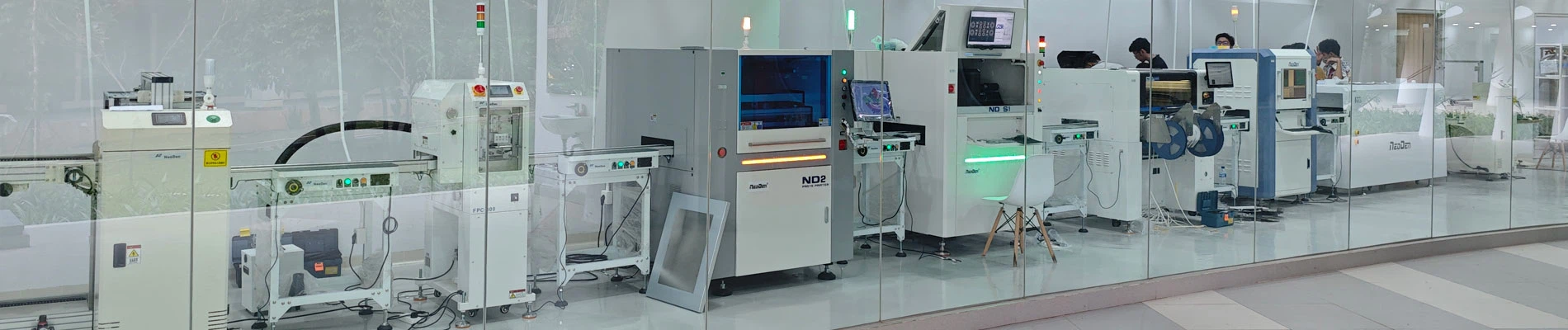
In the PCBA factory, the core of quality control is data. By collecting data from all aspects of the production process, factories can fully understand the current status of product quality and identify potential problems. For example, using automated inspection equipment (such as SMT SPI machine and SMT AOI machine) to monitor the quality of solder joints and component placement accuracy in real time, the data will be instantly fed back to the quality management system. Through data analysis, managers are able to identify deviations in the production process and take targeted measures for improvement.
In addition, through the accumulation of historical data, PCBA factories are able to gradually identify systematic problems in production, such as repeated defects in a certain component, or a high frequency of failure of specific machines and equipment. Based on these data, the factory can develop a more scientific quality improvement program to further improve production quality.
III. The combination of lean production and quality improvement
Lean Production emphasizes the elimination of waste and optimization of production processes. In the PCBA processing process, lean production and quality improvement are closely related. Through lean production, PCBA factories can reduce unnecessary links in the production process and waiting time, thereby reducing production costs and quality fluctuations.
IV. Employee training and quality awareness
Continuous improvement is not only the responsibility of management, employee participation and quality awareness is equally critical. PCBA factories through regular employee training to ensure that each employee can understand the quality objectives and master how to achieve quality improvement in their positions. This training includes, but is not limited to, operating procedures, equipment maintenance, problem solving skills, etc.
At the same time, the factory should encourage employees to participate in quality improvement through incentives. For example, through the establishment of the "Quality Improvement Award" to recognize those who put forward rationalization proposals and the successful implementation of the staff to stimulate the initiative and creativity of the staff, so as to form a quality management atmosphere of full participation, full responsibility.
V. Feedback mechanism and continuous improvement cycle
In PCBA processing, customer feedback and internal feedback is an important source of continuous improvement. Through the establishment of an effective feedback mechanism, PCBA factories can find out the problems encountered by customers in using the products in a timely manner, and use these problems as the basis for improvement. Meanwhile, internal feedback can be obtained through regular quality review meetings, problem analysis and brainstorming.
Every quality problem solving is a learning process. By summarizing lessons learned, PCBA factories can continuously improve their quality management system. Continuous feedback and improvement constitute a closed loop, ensuring that the quality management system is constantly improving in practice.
VI. The molding of quality culture
The ultimate goal of continuous improvement is to create a good quality culture, so that each link, each employee can realize the importance of quality, and consciously participate in quality management. In the PCBA factory, the shaping of quality culture needs to be guided from top to bottom, including the importance of senior management, interdepartmental collaboration, active participation of employees.

Zhejiang NeoDen Technology Co., LTD., founded in 2010, is a professional manufacturer specialized in SMT pick and place machine, reflow oven, stencil printing machine, SMT production line and other SMT Products. We have our own R & D team and own factory, taking advantage of our own rich experienced R&D, well trained production, won great reputation from the world wide customers.
We believe that great people and partners make NeoDen a great company and that our commitment to Innovation, Diversity and Sustainability ensures that SMT automation is accessible to every hobbyist on everywhere.