
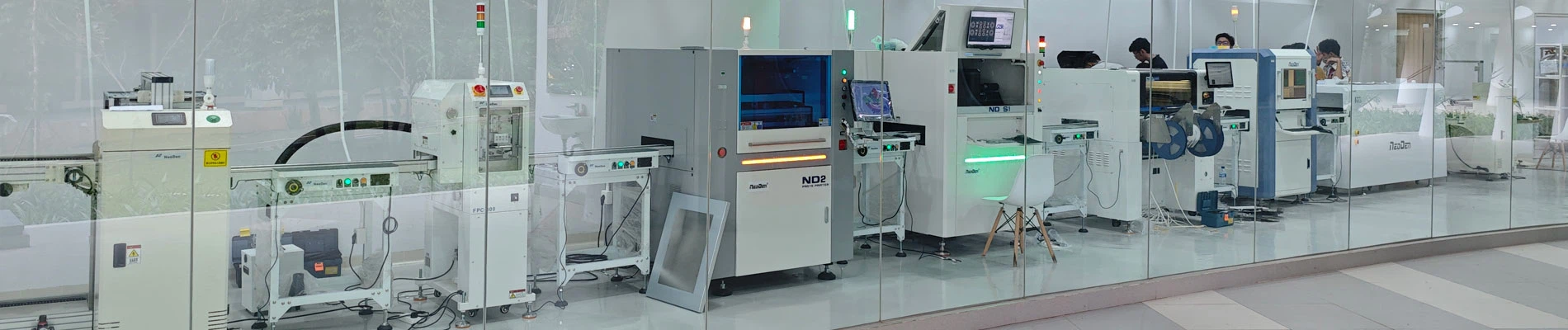
In the PCBA (Printed Circuit Board Assembly) processing process, each link plays a vital role in the quality, delivery time and customer satisfaction of the final product. In this paper, we will introduce the whole process of PCBA processing experience in detail, to help companies and customers better understand and manage this process.
I. Customer demand analysis
1. Collect requirements
Including the customer's technical requirements, functional specifications, quality standards and delivery time.
2. Formulate Requirements Documentation
Organize the collected requirements into a detailed requirements document and confirm it with the customer. This document should cover all technical details, design requirements and expected production standards. A clear requirements document can be used as a blueprint for the project, guiding the subsequent design and production work.
II. Design and Prototyping
1. PCB design
Design engineers carry out circuit board design according to the requirements document, including circuit diagrams and layout design. The design process needs to consider factors such as electrical performance, thermal management and manufacturing process.
2. Prototyping
Through prototyping, the function, performance and reliability of the circuit can be tested. The results of prototype testing can help identify and correct problems in the design to ensure the quality of the final product.
III. Material Procurement and Preparation
1. Selection of materials
According to the design requirements, purchase PCB substrates, electronic components and solder that meet the standards. The quality of materials directly affects the performance and reliability of the final product.
2. Supply Chain Management
Ensure timely supply of materials and inventory management. Establishing a good relationship with suppliers and conducting regular quality checks can ensure the stability and consistency of materials to support a smooth production process.
IV. Production Process
1. Printed circuit board
In the production phase, the PCB is first printed and etched. This process transfers the circuit design to the PCB substrate and forms the circuit pattern. High-precision equipment and processes are key to ensuring the quality of printing.
2. Component placement
Electronic components are accurately placed onto the PCB according to the design requirements. This step requires high-precision SMT placement equipment and techniques to ensure that the position and connection of each component is accurate.
3. Soldering
Soldering is a critical step in connecting electronic components to the PCB circuitry and includes processes such as reflow oven and wave soldering machine. Quality soldering process can ensure the stability and reliability of the electrical connection.
V. Testing and Quality Control
1. Functional testing
Test the electrical characteristics of the circuit, signal transmission and operational stability. Function test can ensure that the product meets the design requirements and can be used normally.
2. Quality Inspection
Conduct comprehensive quality inspection, including visual inspection, mechanical strength test and environmental test. Ensure that the product can maintain good performance under various conditions and meet relevant quality standards.
VI. Delivery and after-sales service
1. Packing and Delivery
After the products have passed all the tests, pack and deliver them. Ensure that the products will not be damaged during transportation and will be delivered to customers on time. Good packaging not only protects the product, but also enhances the overall customer experience.
2. After-sales support
Providing quality after-sales service and handling customer feedback and problems can enhance customer satisfaction and loyalty.

Company profile
Zhejiang NeoDen Technology Co., LTD., founded in 2010, is a professional manufacturer specialized in SMT pick and place machine, reflow oven, stencil printing machine, SMT production line and other SMT Products. We have our own R & D team and own factory, taking advantage of our own rich experienced R&D, well trained production, won great reputation from the world wide customers.
In this decade, we independently developed NeoDen4, NeoDen IN6, NeoDen K1830, NeoDen FP2636 and other SMT products, which sold well all over the world. So far, we have sold more than 10,000pcs machines and exported them to over 130 countries around the world, establishing a good reputation in the market. In our global Ecosystem, we collaborate with our best partner to deliver a more closing sales service, high professional and efficient technical support.