
Introduction
Driven by the Internet of Things (IoT) wave, smart home devices are rapidly gaining popularity. From smart speakers and smart lighting to connected security systems, the core of these devices relies on precise and efficient PCBA (printed circuit board assembly). The distinctiveness of smart home PCBA lies in its comprehensive demands for cost-effectiveness, compact size, low power consumption, and reliability. Therefore, an optimized PCBA manufacturing solution is crucial for ensuring product success and rapid market penetration.
Key Challenges and Countermeasures
1. Miniaturization and High-Density Packaging
To align with trends toward smaller, aesthetically pleasing designs, smart home PCBA typically employs highly integrated miniaturized designs. Components, particularly processors, memory chips, and communication modules, commonly utilize high-density packaging such as BGA (Ball Grid Array) or QFN (Quad Flat No-Lead).
Solution:
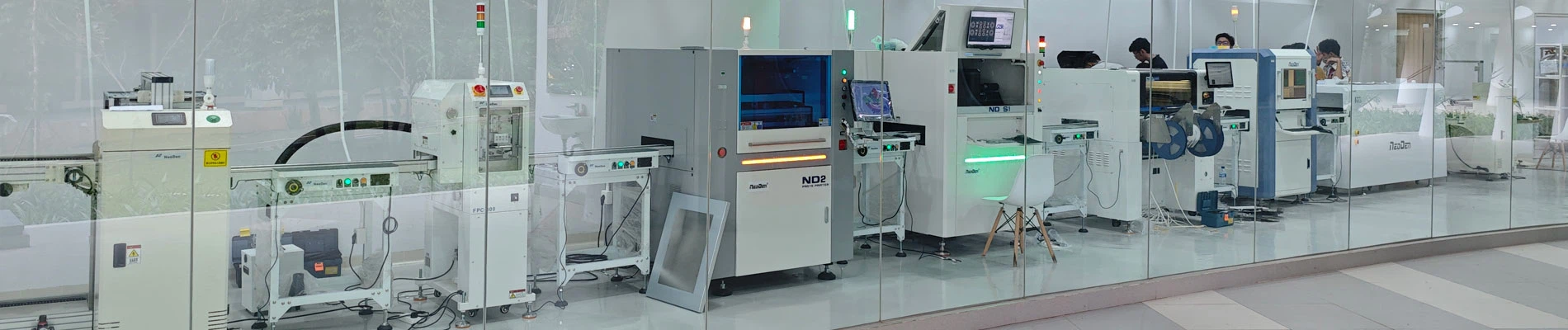
To address this challenge, PCBA manufacturers must invest in high-precision pick and place machines and reflow ovens. Pick and place machines require high-resolution vision systems and precise SMT nozzles to ensure accurate alignment of micro-components. Reflow ovens must deliver stable temperature profiles to uniformly melt BGA solder balls, preventing cold solder joints and short circuits. Concurrently, high-precision automated optical inspection (AOI) and X-ray inspection equipment must be employed to guarantee solder joint quality.
2. Ultra-Low Power Design and Testing
Many smart home devices, especially battery-powered sensors and remote controls, require ultra-long standby times. This demands strict power consumption control throughout both PCBA design and manufacturing. Current leakage caused by component selection errors or soldering defects can significantly reduce device runtime.
Solutions:
Power consumption optimization must begin at the design stage, selecting low-power components before PCBA processing. During manufacturing, precision soldering techniques must be employed to ensure solder joints contain no excess solder, eliminating potential short-circuit paths. In testing, beyond standard functional checks, dedicated power consumption tests are required. High-sensitivity power analyzers precisely measure current draw during sleep, wake, and active states to verify compliance with design specifications.
3. Diverse Communication Module Integration
Smart home devices typically integrate multiple wireless communication technologies-such as Wi-Fi, Bluetooth, Zigbee, and Z-Wave-to enable device interconnectivity. The performance of these radio frequency (RF) circuits is highly sensitive to PCB layout and component placement.
Solution:
During PCB assembly, strictly adhere to RF circuit design specifications, use appropriate PCB materials, and ensure adequate clearance and impedance matching in antenna areas. During testing, comprehensive RF performance evaluations must be conducted, including transmit power, receive sensitivity, spectrum analysis, and intermodulation distortion. These tests are typically performed in professional RF shielded chambers to eliminate external electromagnetic interference and ensure data accuracy.
Conclusion
The rapid advancement of smart home technology is driving the PCBA manufacturing industry toward greater precision, efficiency, and intelligence. A successful smart home PCBA manufacturing solution requires comprehensive consideration of key challenges such as miniaturization, low power consumption, and multi-mode communication, along with meticulous management at every stage from design and manufacturing to testing. By investing in advanced automation equipment, adopting precision soldering and testing processes, and establishing robust quality control systems, PCBA factories can provide a solid hardware foundation for smart home devices, helping them stand out in the fiercely competitive market.
Company Profile
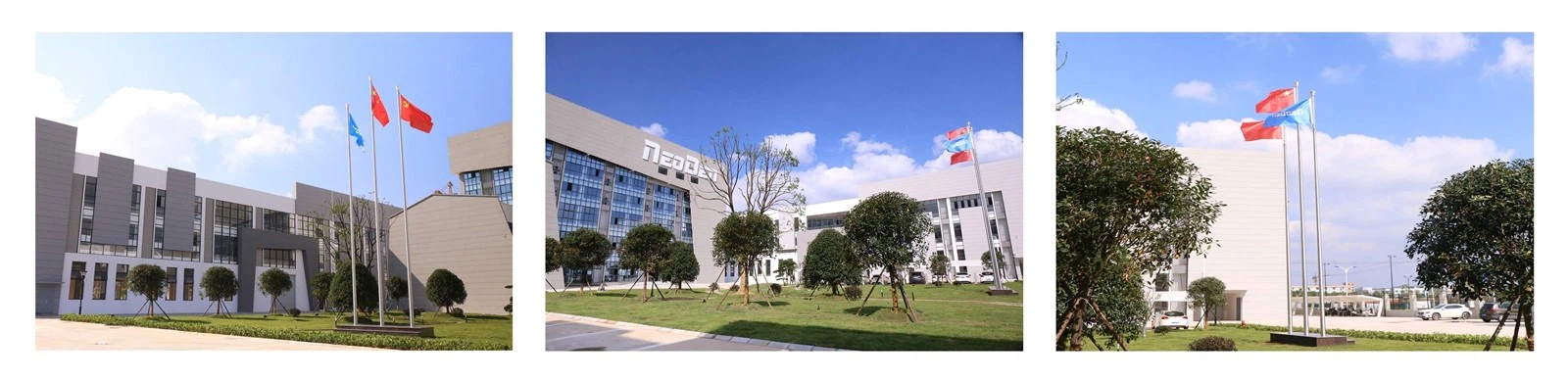
NeoDen Tech founded in 2010, is a professional manufacturer specialized in SMT pick and place machine, reflow oven, stencil printing machine, SMT production line and other SMT Products. We have our own R & D team and own factory, taking advantage of our own rich experienced R&D, well trained production, won great reputation from the world wide customers.
We believe that great people and partners make NeoDen a great company and that our commitment to Innovation, Diversity and Sustainability ensures that SMT automation is accessible to every hobbyist on everywhere.