
Soldering is one of the key processes in the manufacture of electronic equipment. Soldering allows electronic components to be electrically joined and also held in place.
Accordingly soldering is at the heart of electronics construction and manufacture for the hobbyist and enthusiast or student as well as for commercial organisations producing electronic equipment on a huge scale.
Whilst soldering is used in a variety of different industries including the plumbing trade where it is used to join pipes and seal them to prevent water leaking out, and it is used in the jewellery trade amongst others, it is key to the electronics industry.
What is solder
Soldering (pronounced“soldering”) involves a material called solder that melts when placed on a hot object; the melted solder cools and forms a bond between two items. Your most basic soldering tool is a soldering iron with a soldering station.
There are many different types of solder. Essentially solder can be defined as a fusible (i.e. it can melt and become solid again) metal alloy used to create a permanent bond between two or more metal items.
The solder is a metal alloy that has a much lower melting point than the main constituents, and in this way it can be made to melt at temperatures that can be attained relatively easily and without very specialised equipment.
Solder can be used in many areas, but the type of interest for making electrical connections must have a high degree of electrical conductivity. It also helps if it is resistant to corrosion, as this would mean the joints and their conductivity would degrade over time.
Soldering techniques
The best technique for soldering is simple, so repeat this mantra: Heat the metal, not the solder. For example, you heat the metal of a component pin and the metal of a circuit board pad simultaneously, and then you touch the tip of the rosin-core solder to the pad or the pin, but not to the iron. If you have sufficiently heated the two metals (the pad and the pin), they will heat the solder, which then flows quickly to both the pad and the component pin. See Figure 3 for an example of good and bad solder joints.
Two of the major approaches to soldering include:
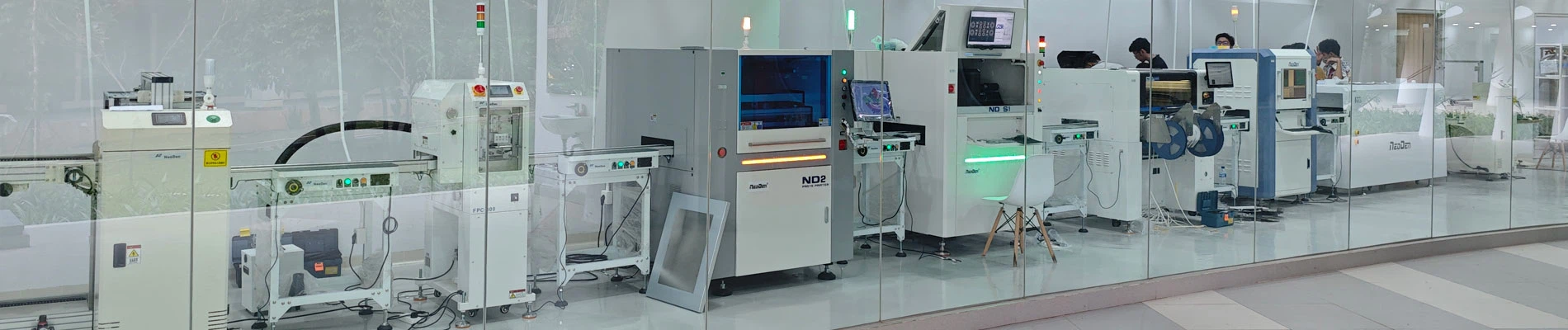
Mass production soldering: Mass scale production uses soldering techniques including wave soldering and now more commonly techniques like infrared reflow where the components are mounted on a board and all the components are soldered at the same time.
Small scale production: For small scale production and home construction manual soldering techniques with the use of a soldering iron and solder wire are the most widely used method. Some skill is required to make neat and effective joints, but this can be learned quite easily. This type of soldering technique can be used for making small projects, soldering PCBs, making leads and a host of other applications.