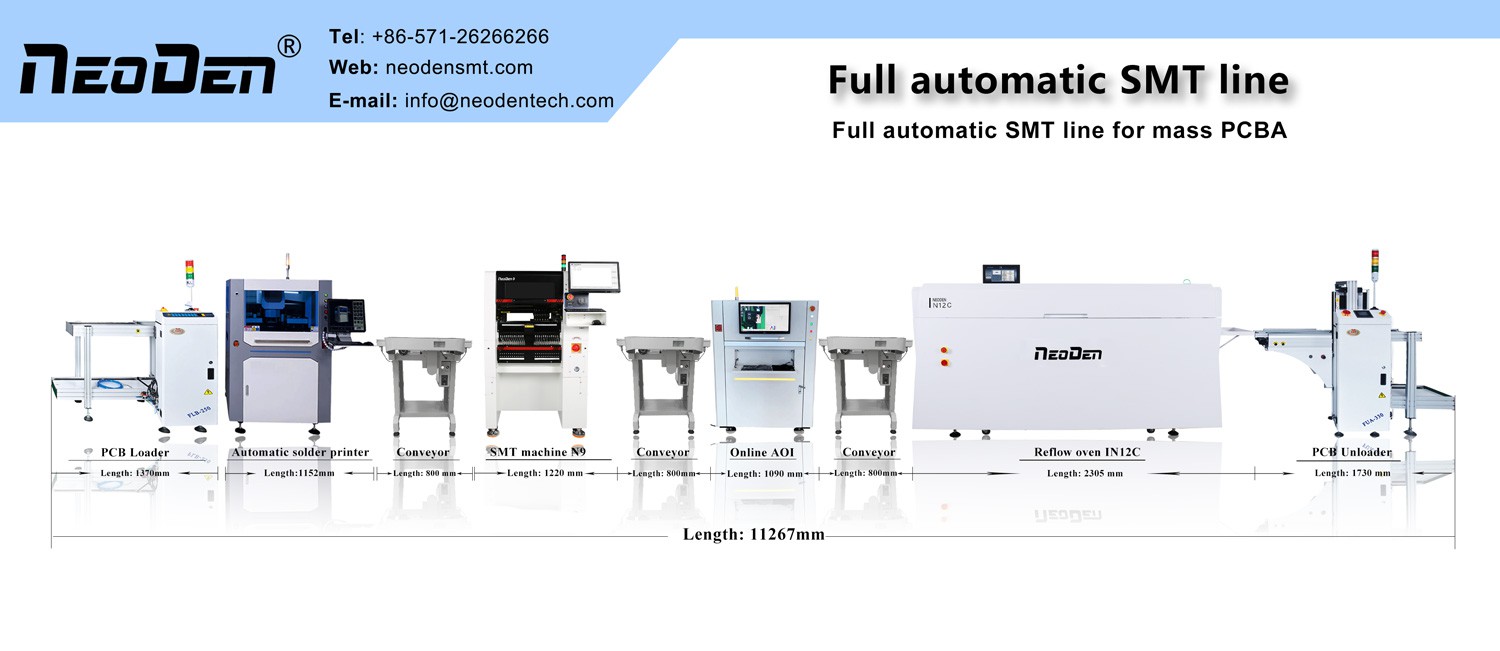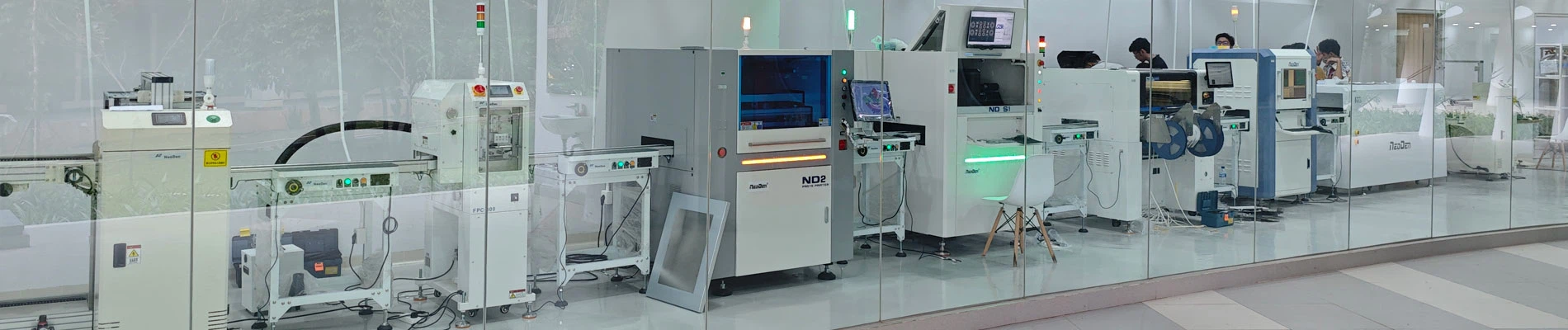
SMT is the front part of the electronic product processing process, the back part also includes DIP plug-in, testing, assembly, packaging, etc. After a series of processes, the final product can become finished goods out of the warehouse, and finally to the sales channels, and then to the hands of consumers.
In PCBA processing, it is impossible to have 100% good output (even to the hands of consumers of finished products can not guarantee 100% good, so in the production line process can not do 100% good rate), then this will inevitably involve rework or rework, then in the rework there are quite a large proportion of chip components need to be reworked, then what are the considerations of chip components rework, please see the following introduction.
If it has been soldered after the detection of defects need to be reworked, then generally include desoldering disassembly, pad cleaning, reassembly welding and other three major steps.
1. components such as coating layer, should first remove the coating layer, and then remove the surface residues
2. in the chip components of the two solder joints coated with flux
3. Use a wet sponge to remove the oxides and residues on the soldering iron tip
4. the tip of the soldering iron placed on top of the chip components, and clamping the two ends of the components and solder joints in contact
5. When the two ends of the solder joint completely melted when lifting the components
6. Place the removed components in a heat-resistant container
These are the steps and methods to desolder and disassemble the electronic components with defects or quality problems.
1. Brush flux on the pads of the board
2. Use a wet sponge to remove the oxides and residues on the soldering iron tip.
3. Put the soft tin braid with good solderability on the pads
4. the soldering iron head gently pressed in the tin woven tape, to be melted on the pads of solder, slowly move the soldering iron head and woven tape, remove the residual solder on the pads
1. choose the right shape and size of the soldering iron head
2. in the pads of the circuit board coated with flux
3. Use the wet sponge to remove the oxides and residues on the soldering iron head
4. Use the soldering iron to apply the right amount of solder on the pads
5. Clamp the chip components with the inlay, and use the soldering iron to connect one end of the component with the pad that has been tinned, the component fixed
6. with a soldering iron and solder wire to the other end of the component and the pad solder good
7. the two ends of the component and the pad solder good
After the above three steps, roughly can repair defects or quality problems in the repair of chip components, and then repair, but also need to be tested after the completion of the next process.