
Introduction
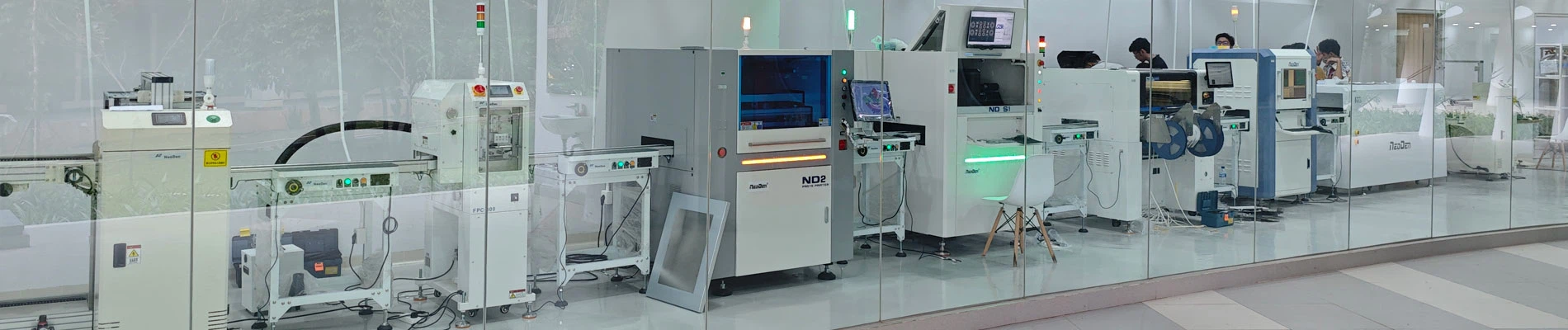
SMT reflow oven is an indispensable technology in the process of DIY electronic products. Whether you are making simple circuit boards or developing complex electronic devices, mastering the basic principles and techniques of reflow soldering is crucial for every electronics enthusiast. In this blog, we will introduce the core technology of SMT reflow oven, selection guide, introduction to the SMT line, the tools required, as well as some introductory tips to help you start your electronic production journey smoothly.
I. What is SMT reflow oven?
Reflow oven is a soldering method to solder electronic components to the circuit board. It works by melting the solder pre-coated on the component pins and circuit board pads through heat and forming a strong solder joint after cooling. Compared with traditional soldering technology, reflow soldering has a high degree of precision and efficiency, especially for small surface mount devices (SMD).
II. The reflow oven selection guide: from entry-level to advanced
1. Entry-level selection
- Hot air gun + temperature control station: suitable for occasional soldering of small batch projects
- Oven retrofit program: PID temperature control module through the conversion of home ovens
2. Professional level equipment
- Benchtop reflow oven: such as NeoDen IN series reflow soldering machine, support multi-temperature control
- Nitrogen reflow oven: for high-precision military/medical products

III. The reflow oven operation of the whole process to explain
- Gluing: The use of dispensing machines or solder paste printer in the circuit board pads coated with solder paste. Solder paste is a mixture of tin powder and flux paste, can help solder in the reflow process evenly distributed.
- Placement of components: Electronic components are precisely placed on the solder paste coated pads. This can be done with an automated placement machine or manually. For beginners, we recommend the NeoDen YY1 2 heads desktop pick and place machine.
- Reflow Heating: The entire board is placed in a reflow oven, which heats up according to a set temperature profile, melting the tin in the solder paste. The heating process is usually divided into several stages: preheating, holding, reflow and cooling.
- Cooling: After the soldering is completed, the PCB is sent out of the furnace to cool naturally or through the air-cooled way to quickly cool down the temperature, so that the solder joints are cured.
IV. The tools required
To carry out the reflow oven process requires some basic tools and equipment:
- Reflow oven: You can choose a professional reflow oven or a simple hot air gun. For starters, the heat gun is a relatively cheap and convenient choice.
- Solder paste: There are many types of solder paste, need to combine with the enterprise's own needs to buy.
- Soldering fixture: Used to fix the board and components to ensure the stability of the soldering process.
- Tweezers: for accurate placement of components.
- Thermometer: Used to monitor the temperature of the soldering furnace to ensure the accuracy of the heating.
V. Getting Started Tips
- Choosing the right solder paste: Use the right paste for your project to ensure good adhesion and fluidity.
- Control the heating profile: Understanding the reflow temperature characteristics of solder paste and setting the heating profile reasonably can avoid solder joint defects, such as cold soldering and false soldering.
- Keep neat and tidy: Keeping the working environment neat and tidy during operation can effectively reduce component contamination and poor soldering.
- More practice: from simple board practice, through continuous practice to improve your reflow soldering skills.
VI. Common Problems and Solutions
Q1:Solder Ball appears in the solder joints
Reason: Solder paste collapse or insufficient preheating
Solution: optimize the temperature profile, check the thickness of the stencil (recommended 0.15mm or less)
Q2: BGA package empty soldering
Solution:
Use X-ray inspection equipment to check
Adjust the peak reflow temperature (±5℃ accuracy)
Conclusion
Reflow oven technology opens a new door for DIY electronics production. Mastering this skill not only improves soldering efficiency, but also helps you realize more creativity in electronic design. If you are interested in this, get your tools ready and start your reflow soldering journey! If you want to configure SMD assembly line or want to know more details, feel free to contact us!

Quick facts about NeoDen
1. Established in 2010, 200 + employees, 27000+ Sq.m. factory.
2. NeoDen Products:Different Series PnP machines, NeoDen YY1, NeoDen4, NeoDen5, NeoDen K1830, NeoDen9, NeoDen N10P. Reflow Oven IN Series, as well as complete SMT line includes all necessary SMT equipment.
3. Successful 10000+ customers across the globe.
4. 40+ Global Agents covered in Asia, Europe, America, Oceania and Africa.
5. R&D Center: 3 R&D departments with 25+ professional R&D engineers.
6. Listed with CE and got 70+ patents.
7. 30+ quality control and technical support engineers, 15+ senior international sales, for timely customer responding within 8 hours, and professional solutions providing within 24 hours.