
Introduction
In the fiercely competitive electronics manufacturing industry, SMT production line efficiency directly impacts a company's profitability and market competitiveness. Within the entire PCBA manufacturing process, the testing phase is crucial for identifying issues and ensuring quality, yet it can also become a bottleneck that slows production cycles. Many factories simply place test equipment at the end of the line, but this is not the optimal solution. By scientifically optimizing the layout of test equipment, we can not only enhance testing efficiency but also significantly improve the overall flow of the production line, reducing unnecessary waiting and rework.
Analyzing the "Pain Points" in the Production Process
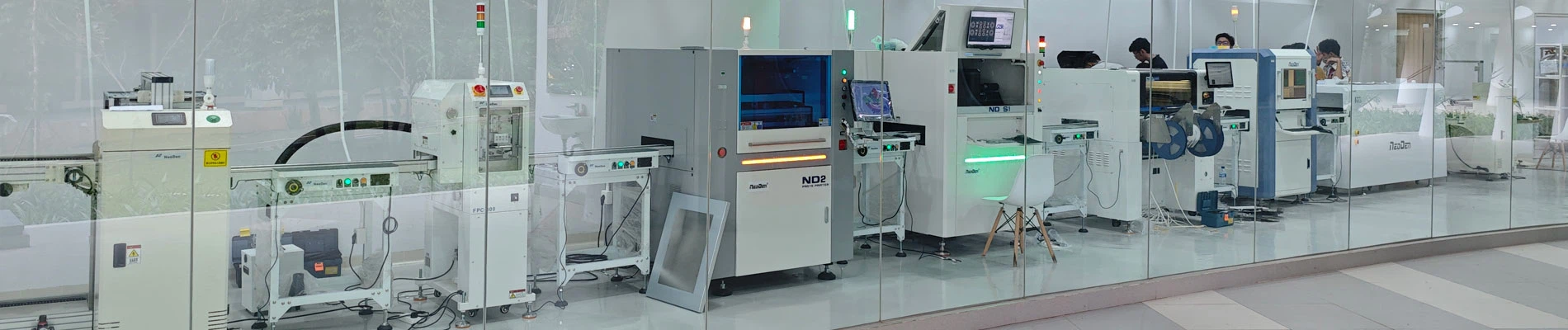
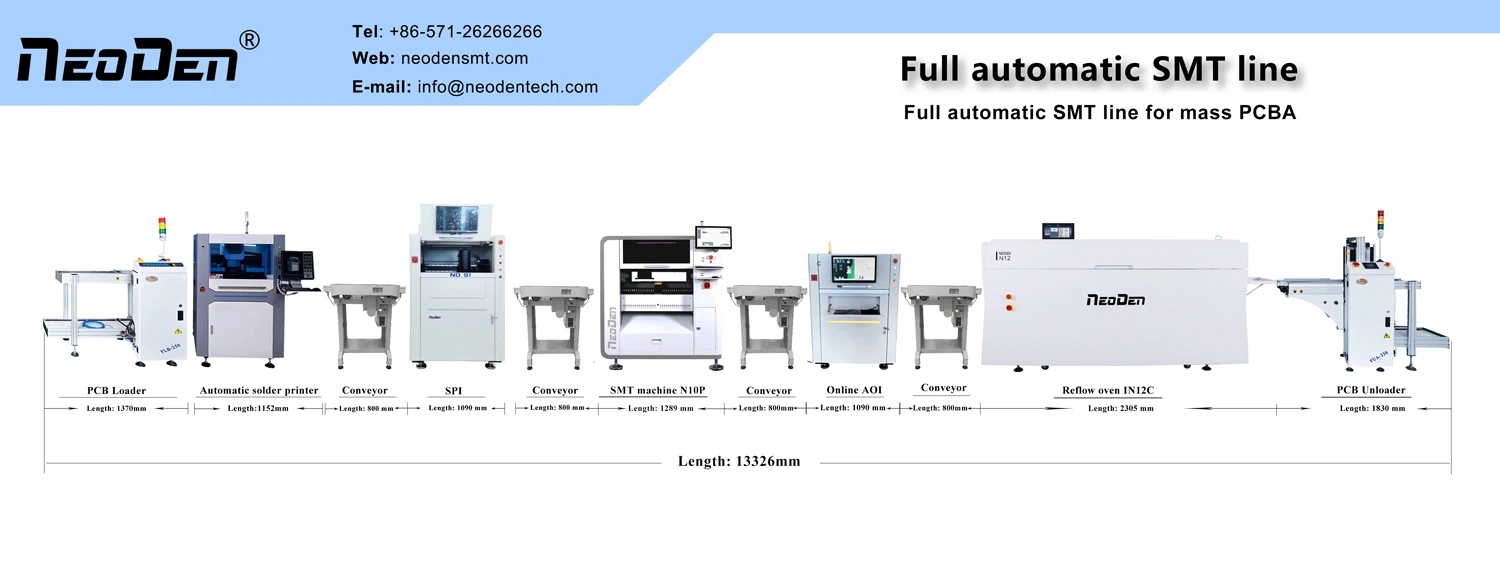
Before discussing layout, we must first understand the position and role of the testing stage within the entire PCBA manufacturing process. A typical workflow includes: SMT placement, reflow soldering oven, AOI, testing (ICT/FCT), assembly, and packaging. Traditionally, all testing is concentrated at the end of the line. The drawback of this "centralized" layout is that if a large number of defective units are detected during testing, they must be sent back to earlier stages for rework. This creates chaotic reverse logistics, disrupting the production line and leading to inefficiency. Therefore, the core of optimization lies in integrating testing more closely with the production process, achieving "front-end placement" and "decentralization."
Layout Optimization Strategy 1: Front-End Placement of Testing
Placing certain testing functions earlier in the production process is key to improving efficiency. The most typical example is Automated Optical Inspection (AOI). AOI equipment can be positioned after reflow soldering to perform non-contact inspection of soldering quality immediately.
- Advantages: This approach immediately identifies the vast majority of visually detectable placement defects, such as missing components, incorrect placement, reversed polarity, cold solder joints, and short circuits. Detecting and repairing defective units at this stage incurs significantly lower costs than reworking issues discovered during functional testing.
- Efficiency gains: Production line operators can swiftly address these "primary" defects without accumulating them at the end of the line. This prevents large-scale rework and logistical chaos, ensuring smooth operation of the main production line.
Layout Optimization Strategy 2: "Decentralization" and "Parallelization" of Functional Testing
Not all testing needs to occur in a single location. Based on product complexity and test requirements, functional testing (FCT) can be decentralized.
- Serial Test Station: For products requiring only basic functional verification, a simple test station parallel to the production line can be set up. PCBA units can undergo rapid functional testing immediately after exiting the production line.
- Parallel Test Bays: For products requiring lengthy testing or multiple steps, multiple parallel test bays can be deployed. Upon entering the testing zone, a PCBA is assigned to an available bay for testing while the next PCBA proceeds to another bay. This prevents production line bottlenecks caused by extended testing times at a single bay. This layout is particularly suitable for small-batch PCBA processing, offering flexibility to accommodate diverse testing requirements.
Layout Optimization Strategy 3: Creating Smooth "Material Flow" Pathways
An efficient test equipment layout must be built upon seamless material flow. This requires consideration not only of the test equipment itself but also the flow paths for both defective and non-defective products.
- Non-Defective Product Flow Path: Tested non-defective products should proceed directly to the next process (e.g., assembly or packaging) without unnecessary transfers or waiting.
- Defective Product Flow: Establish a dedicated "rework zone" with clearly defined logistics pathways. Defective PCBA identified during testing should be swiftly and systematically routed to this zone, rather than accumulating randomly on the production line. Completed reworked PCBA must also have a clear return path to the testing area for re-inspection, creating a closed-loop system. This structured logistics planning minimizes production line chaos and enhances overall operational efficiency.
Conclusion
Through these strategies, factories can re-examine their PCBA manufacturing processes from a macro perspective, transforming the testing phase from a passive, static "checkpoint" into an active, dynamic "flow management center." Layout optimization is not merely a spatial adjustment but an upgrade in production management philosophy.

Quick facts about NeoDen
1) Established in 2010, 200 + employees, 27000+ Sq.m. factory.
2) NeoDen Products:Different Series PnP machines, NeoDen YY1, NeoDen4, NeoDen5, NeoDen K1830, NeoDen9, NeoDen N10P. Reflow Oven IN Series, as well as complete SMT Line includes all necessary SMT equipment.
3) Successful 10000+ customers across the globe.
4) 40+ Global Agents covered in Asia, Europe, America, Oceania and Africa.
5) R&D Center: 3 R&D departments with 25+ professional R&D engineers.
6) Listed with CE and got 70+ patents.
7) 30+ quality control and technical support engineers, 15+ senior international sales, for timely customer responding within 8 hours, and professional solutions providing within 24 hours.