
Introduction
In modern PCBA manufacturing, real-time testing is crucial for ensuring product quality and enhancing production efficiency. Traditional testing models rely on uploading data to the cloud for processing, which introduces significant delays when handling massive datasets, compromising the production line's real-time responsiveness. To address this challenge, an emerging technology (Edge Computing) is being integrated into PCBA testing. By processing and analyzing data at its source, it enables real-time and intelligent testing.
I. Edge Computing vs. Traditional Cloud-Based Models
Traditional cloud-based models upload all test data-such as high-definition images and test parameters-to remote cloud servers for centralized processing. While manageable for small data volumes, this approach reveals significant drawbacks in high-density, high-speed PCBA production lines:
- Data Transmission Latency: Transferring massive datasets from testing equipment to the cloud consumes time, particularly under limited network bandwidth, causing noticeable delays that hinder real-time production decisions.
- Network Dependency: The testing system's operation heavily relies on stable network connectivity. Any network interruption can paralyze the entire testing process.
- Data Security Risks: Sensitive production data may face security threats during transmission and storage.
Edge computing, however, shifts data processing and analysis capabilities to the "edge" of the production line-specifically, the testing equipment or nearby edge servers. Data is processed locally immediately after generation, eliminating the need for transmission to distant cloud servers.
II. Applications of Edge Computing in PCBA Testing
Edge computing applications in PCBA testing primarily manifest in the following areas:

1. Real-Time Defect Identification and Classification
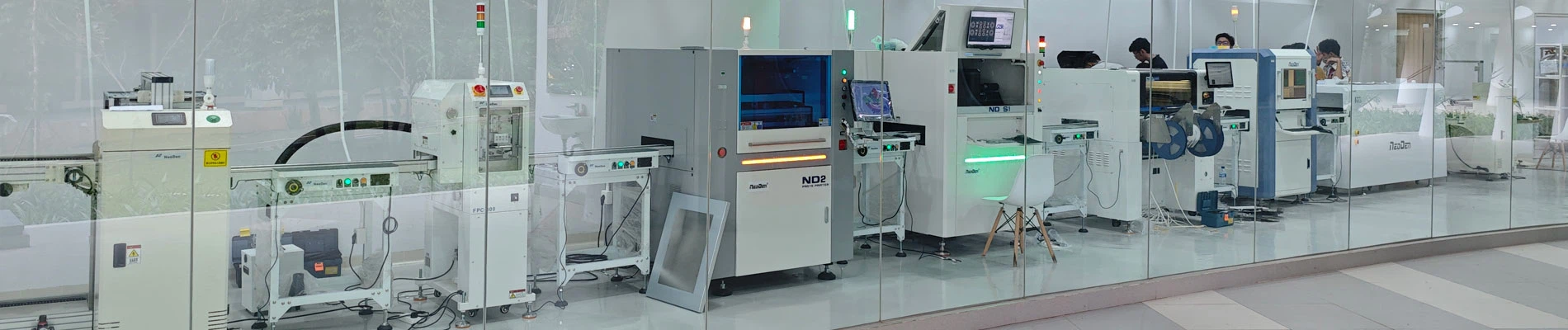
In automated optical inspection (AOI) and X-ray inspection (AXI) equipment, edge computing leverages built-in AI chips or local servers to perform real-time analysis on images captured by cameras or X-ray sensors. AI models can identify defects like solder void, short circuits, or component misalignment within milliseconds, immediately relaying results back to the production line. This real-time feedback enables factories to intervene at the earliest stage of issues, significantly reducing rework and scrap rates.
2. Real-Time Optimization of Production Parameters
Edge computing platforms can collect data in real time from surface mount machines, reflow soldering machines, and testing equipment, analyzing it using local machine learning models. When a model detects a parameter deviating from normal values, it can automatically adjust equipment settings to optimize PCBA manufacturing processes instantly. For example, an edge system can automatically fine-tune a reflow oven's temperature curve based on real-time test data to ensure optimal solder joint quality.
3. Localized Predictive Maintenance
Traditional predictive maintenance requires uploading equipment operation data to the cloud for long-term analysis. Edge computing enables this functionality locally. By analyzing on-site equipment data, edge systems can predict when maintenance is needed and immediately alert engineers. This eliminates warning delays caused by network latency, ensuring timely maintenance.
III. Challenges and Future of Edge Computing Implementation
Despite its significant advantages in PCBA testing, edge computing faces implementation challenges. First, edge hardware must possess sufficient computational power to process complex AI models. Second, seamless collaboration between edge devices and cloud platforms is essential for data sharing and macro-level analysis.
However, with the proliferation of specialized AI chips and 5G networks, the potential of edge computing is being further unlocked. In the future, PCBA testing will evolve beyond an isolated quality control step into an intelligent system tightly integrated with the production line, capable of real-time self-optimization and decision-making. Edge computing will be the key technology enabling this vision, fundamentally enhancing the efficiency, accuracy, and flexibility of PCBA manufacturing.
Quick facts about NeoDen
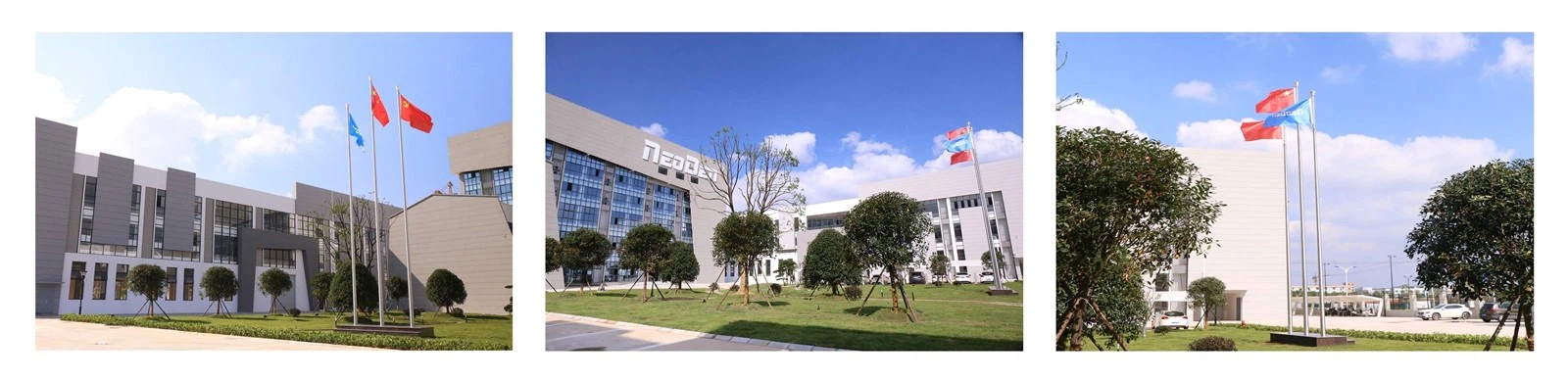
1) Established in 2010, 200 + employees, 27000+ Sq.m. factory.
2) NeoDen Products:Different Series PnP machines, NeoDen YY1, NeoDen4, NeoDen5, NeoDen K1830, NeoDen9, NeoDen N10P. Reflow Oven IN Series, as well as complete SMT Line includes all necessary SMT equipment.
3) Successful 10000+ customers across the globe.
4) 40+ Global Agents covered in Asia, Europe, America, Oceania and Africa.
5) R&D Center: 3 R&D departments with 25+ professional R&D engineers.
6) Listed with CE and got 70+ patents.
7) 30+ quality control and technical support engineers, 15+ senior international sales, for timely customer responding within 8 hours, and professional solutions providing within 24 hours.