
Introduction
In modern electronics manufacturing, efficiency is the lifeline of enterprises. As product complexity continues to rise and market demands for rapid delivery become increasingly stringent, traditional PCBA testing models struggle to keep pace with the times. Manual testing is time-consuming, labor-intensive, and prone to accuracy issues due to human error. To address these challenges, PCBA manufacturing plants are actively adopting intelligent testing platforms. By leveraging automation, data-driven insights, and traceability, these platforms fundamentally enhance production line efficiency.
Automated Testing: From Manual to High-Speed
The core strength of intelligent testing platforms lies in their high degree of automation. They replace manual operations, transforming the testing process into a continuous, high-speed workflow.
- Automated Loading/Unloading and Conveying: Intelligent platforms typically feature automated loading/unloading systems and robotic arms that automatically pick up PCBA and position them at test stations. This eliminates manual handling delays, ensuring a seamless testing workflow.
- Rapid Programming and Line Changeovers: Traditional testing platforms require complex fixtures and manual programming. Smart platforms, however, leverage modular design and software-driven operation to rapidly load test programs for different products, significantly reducing changeover time. This makes them particularly suitable for small-batch, high-variety PCB assembly production models.
- Parallel Testing: Smart test platforms enable simultaneous testing of multiple PCBs, completing more tasks within the same timeframe. This greatly enhances production line throughput, especially during extended aging tests or complex functional evaluations.
Data-Driven: From Experience to Precision Decision-Making
The intelligent test platform transcends basic automation as a data collection and analytics hub, delivering unprecedented insights for production line management.
- Real-Time Data Monitoring: The platform captures parameters, timestamps, and results from every test in real time, presenting them visually via dashboards. Managers can instantly grasp production line status, yield rates, and potential quality risks, enabling swift and precise decision-making.
- Root Cause Analysis: Traditional test reports merely indicate "pass" or "fail." Intelligent platforms deliver detailed failure reports, including failure modes, probable causes, and relevant data. By analyzing historical data, engineers can identify recurring defect patterns, address issues at their source, and reduce rework rates.
- Predictive Maintenance: By analyzing test equipment operational data, the intelligent platform predicts when maintenance is required. This enables factories to implement predictive maintenance, performing upkeep before equipment failures occur, thereby avoiding production interruptions and efficiency losses caused by unexpected downtime.
Traceability: From Ambiguity to Clarity
Traceability is critical in PCBA manufacturing quality management. The intelligent testing platform links each PCBA to a unique identifier (e.g., barcode or QR code), enabling complete traceability of production and testing data.
- Complete Product Profile: Each PCBA maintains a comprehensive digital profile containing all information from component procurement, placement by the pick and place machine, reflow / Wave soldering, to every testing instance. When a product malfunctions in the market, the factory can swiftly trace back to the production batch, components used, and process parameters through this file, significantly reducing after-sales response time.
- Clear Accountability: When quality issues arise, traceability helps factories quickly pinpoint whether the problem lies in design, materials, or production processes, enabling clear responsibility allocation.
Conclusion
The intelligent PCBA testing platform has become an indispensable component of modern PCBA manufacturing facilities. It enhances testing speed through high automation, enables precise decision-making via data-driven insights, and ensures product quality through traceability. Investing in an intelligent testing platform is not merely acquiring equipment-it injects powerful momentum into a company's future development, enabling it to maintain a leading position in increasingly competitive markets.
Quick facts about NeoDen
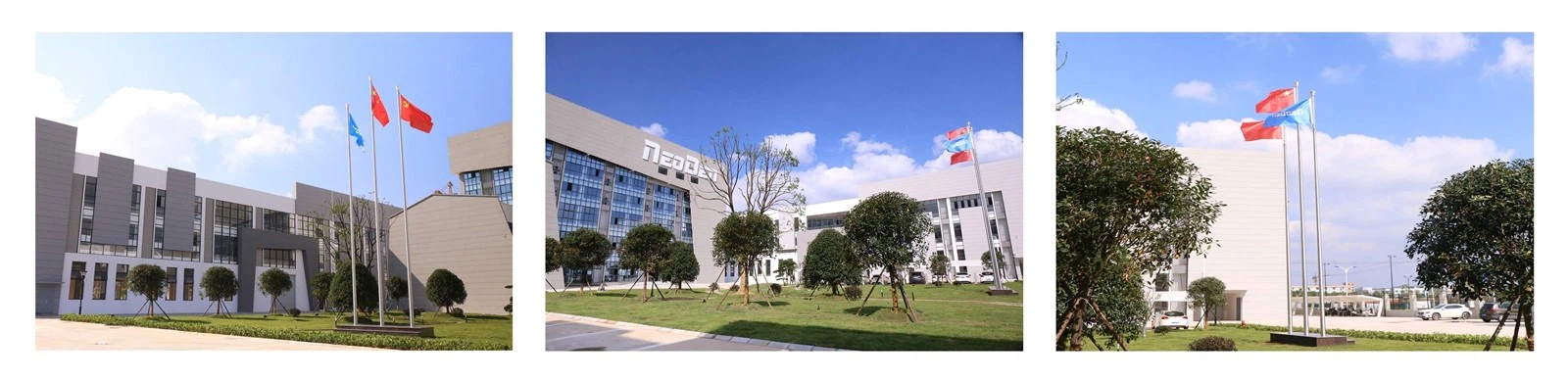
1) Established in 2010, 200 + employees, 27000+ Sq.m. factory.
2) NeoDen Products:Different Series PnP machines, NeoDen YY1, NeoDen4, NeoDen5, NeoDen K1830, NeoDen9, NeoDen N10P. Reflow Oven IN Series, as well as complete SMT Line includes all necessary SMT equipment.
3) Successful 10000+ customers across the globe.
4) 40+ Global Agents covered in Asia, Europe, America, Oceania and Africa.
5) R&D Center: 3 R&D departments with 25+ professional R&D engineers.
6) Listed with CE and got 70+ patents.
7) 30+ quality control and technical support engineers, 15+ senior international sales, for timely customer responding within 8 hours, and professional solutions providing within 24 hours.