
INTRODUCTION
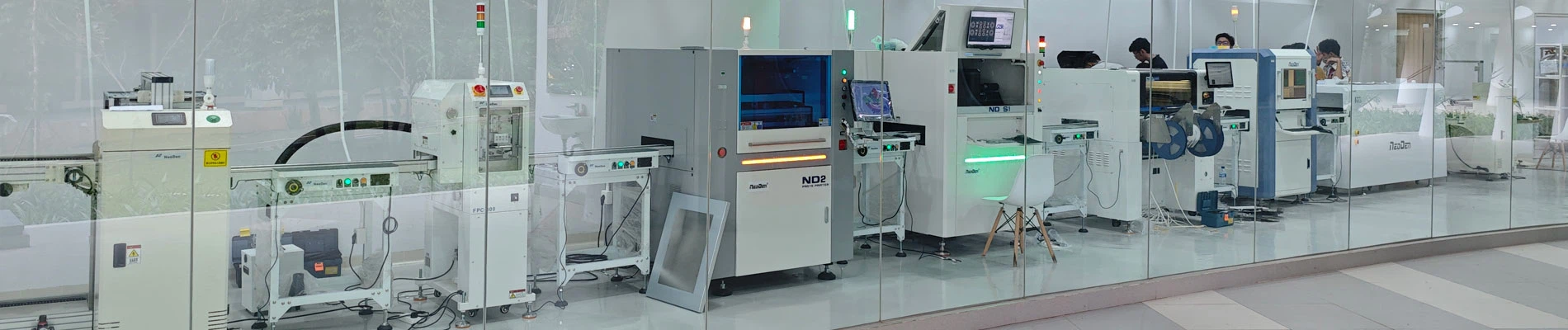
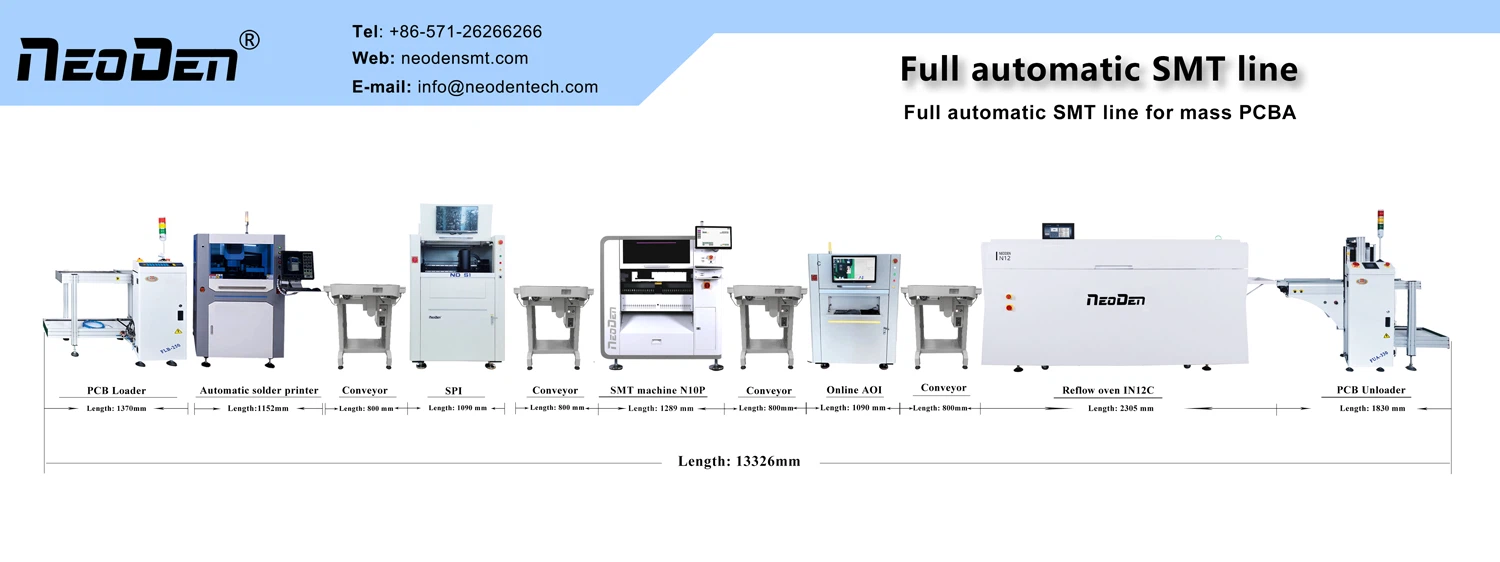
SMT SPI machine, as a key equipment in SMT production line, utilizes advanced image processing technology to accurately inspect solder paste printing on PCB boards. It can not only check the key parameters such as the printing position, area, height, shape and pitch of the solder paste in real time, but also discover potential quality problems such as missin'g, excessive or uneven distribution of the solder paste in a timely manner.
Traditional solder paste inspection is usually performed manually, which is inefficient and prone to errors. The solder paste tester machine can realize automated inspection, greatly improve the detection speed and accuracy, and reduce production costs.
I. Basic Concepts of Solder Paste Printing
1. What is solder paste printing?
Solder Paste Printing is a process of printing solder paste onto PCB substrates, which is one of the key steps in Surface Mount Technology (SMT).
2. Components of solder paste and their functions
Solder paste consists of a mixture of solder powder, flux and other additives used to fix electronic components on the PCB board and form a permanent connection when soldering at high temperatures.
II. Why is the quality control of solder paste printing is critical?
1. Factors affecting the quality of solder paste printing
- The size of the squeegee pressure of the solder paste printer.
- The printing method of the solder paste printer.
- The thickness of solder paste printer.
- The printing speed of the solder paste printer.
- Parameters of the squeegee of the solder paste printing machine.
2. Common solder paste printing problems
Leakage and less tin, printing pull tip, printing short circuit, printing more tin, pulverization, tin beads, collapse, foreign matter, roof type defective, saddle-shaped defective, ice-cream type defective, and so on.
III. The working principle of SPI equipment
1. SPI equipment detection function
- Whether there is offset phenomenon of solder paste after printing.
- Whether the solder paste after printing exists pull-tip phenomenon.
- Whether there is a bridging phenomenon after printing the solder paste.
- Whether there are defects in the solder paste after printing.
2. Comparison with traditional detection methods
The solder paste detector is mainly used after the SMT printing process, the main role is to check whether the PCB board after printing is qualified, the bad PCB board will be found out in time, to prevent the emergence of a large number of bad printing, affecting the welding effect. More accurate and faster than the traditional manual inspection.
IV. How to use SPI for quality control
1. Equipment configuration and calibration
According to the actual production environment and the needs of solder paste printing, select the appropriate SPI equipment. After the equipment installation is completed, it needs to be calibrated to improve the accuracy of equipment detection.
2. Data collection and analysis
Compare and measure solder paste samples after initial printing to establish benchmark data that best meets product and industry standards. Subsequent solder paste printing process, the use of SPI real-time detection, data collection at different locations to ensure that the quality of the solder paste printing on the surface of the PCB is uniform and consistent. SPI will compare the detected data with the preset standards to automatically identify defects that are outside the tolerance range.
3. Strategies to improve printing quality
According to SPI feedback to adjust the parameters of the printing process (eg: adjust the printing pressure, speed, etc.).
V. Conclusion
Solder paste printing is the first step of the entire patch assembly, and SPI is the first step in the quality control of the PCBA manufacturing process. In the early stage of SMT assembly, if the SPI machine is used to detect defects, it can be completed in time for rework, saving time and cost. On the other hand, it avoids the delay of defective boards to the later manufacturing stage, resulting in poor functionality of PCBA boards and saving production costs.
Company Profile
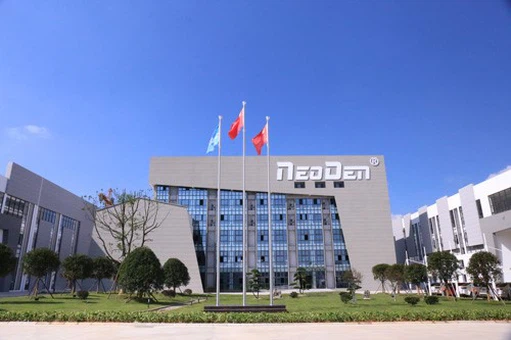
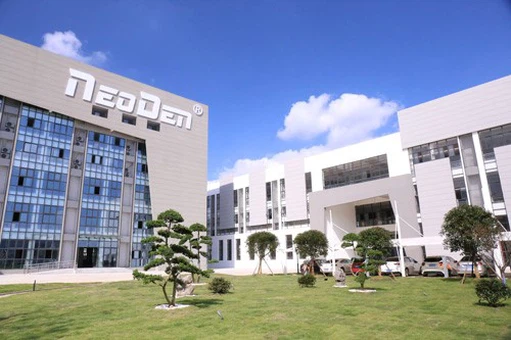
Zhejiang NeoDen Technology Co., Ltd. has been manufacturing and exporting various small pick and place machines since 2010. Taking advantage of our own rich experienced R&D, well trained production, NeoDen wins great reputation from the world wide customers.
We believe that great people and partners make NeoDen a great company and that our commitment to Innovation, Diversity and Sustainability ensures that SMT automation is accessible to every hobbyist everywhere.
Add: No.18, Tianzihu Avenue, Tianzihu Town, Anji County, Huzhou City, Zhejiang Province, China
Phone: 86-571-85858685