
Introduction
In the electronics manufacturing industry, outsourcing PCBA manufacturing has become an important way for most companies to reduce costs and improve efficiency. However, successful outsourcing depends not only on the supplier's production capacity and quality control, but more importantly on the effective operation of communication and collaboration mechanisms. Especially when dealing with complex products or customized requirements, any information discrepancies can lead to delays, rework, or even project failure. The following discusses how to optimize communication and collaboration in outsourced PCBA manufacturing from five aspects.
I. Clarify role division and establish a responsibility system for communication
Outsourced PCBA manufacturing projects often involve multiple functions such as procurement, engineering, quality, and logistics. To avoid "passing the buck" or information gaps, both parties should clearly define their communication roles and responsibilities at the project's inception:
- The client should designate a project manager or primary contact person to uniformly communicate requirements and feedback.
- The manufacturing party should designate a dedicated contact person to ensure timely feedback and follow-up.
- Major milestones or changes should be documented with signatures from both parties' designated responsible parties.
Clear responsibility allocation is the prerequisite for efficient collaboration and provides a basis for tracing issues in the future.
II. Standardize documents to eliminate information discrepancies
In PCBA manufacturing, any version error in technical documentation can lead to defects in the finished product. The key to optimizing communication is to ensure that all documentation is consistent, clear, and kept up to date:
- Use a standardized naming convention and version control system (e.g., V1.0, V1.1, etc.).
- All technical documentation (e.g., BOM, Gerber files, coordinate files, special process instructions) should be centralized and archived.
- Modifications should be notified via email + confirmation forms to avoid the invalidity of verbal notifications.
It is recommended that both parties utilize project management systems or shared document platforms to enhance the accuracy and real-time nature of document transmission.
III. Establish regular communication mechanisms to track project progress
In daily communication, the absence of a rhythmic pace and feedback mechanisms can easily lead to information delays or accumulated misunderstandings. It is recommended to establish the following regular communication mechanisms:
- Weekly project progress meetings to update delivery timelines, report anomalies, and discuss testing results.
- Remote confirmation meetings via video/photos after the first sample is produced.
- Phase summary meetings to review issues during the sample production period or before mass production.
Through institutionalized rhythmic communication, both parties' work efficiency is improved, and the project's controllability and foresight are enhanced.
IV. Transparent anomaly response mechanism with rapid closed-loop resolution
Anomalies are inevitable during PCBA processing, but the key lies in how to quickly identify and resolve them. Recommendations:
- Establish an anomaly feedback channel, with urgent issues communicated via phone or instant messaging.
- Anomalies must be preliminarily confirmed within 48 hours, with solutions or emergency measures provided.
- For major anomalies, it is recommended to prepare a complete 8D report or RCCA (root cause analysis + corrective actions) document.
Response speed and resolution depth are often key criteria for clients to evaluate a partner's service capabilities.
V. Emphasize cultural differences and communication habits
Especially in cross-regional and cross-language collaborations, cultural differences can easily lead to miscommunication and misunderstandings. For example:
- Some manufacturing plants prefer using screenshots instead of written documentation.
- A client's request for "urgent handling" may be interpreted by the manufacturing side as "scheduled for next week".
- Clients from Southeast Asia and Europe/America have different expectations regarding response timeliness and results-oriented outcomes.
It is recommended that companies align communication styles and key terminology during the initial stages of collaboration to minimize execution discrepancies caused by misunderstandings.
Conclusion
Outsourcing PCBA manufacturing is not only a cost-optimization strategy but also a test of an organization's communication and collaboration capabilities. Only on the basis of clear technical specifications, consistent documentation, and smooth communication can a company truly achieve high-quality, low-risk outsourcing delivery. Optimizing collaboration is not an overnight process but a continuous system-building effort involving refinement, institutionalization, and standardization. While selecting the right partners is important, establishing a healthy communication mechanism is the long-term guarantee for project success.
Company Profile
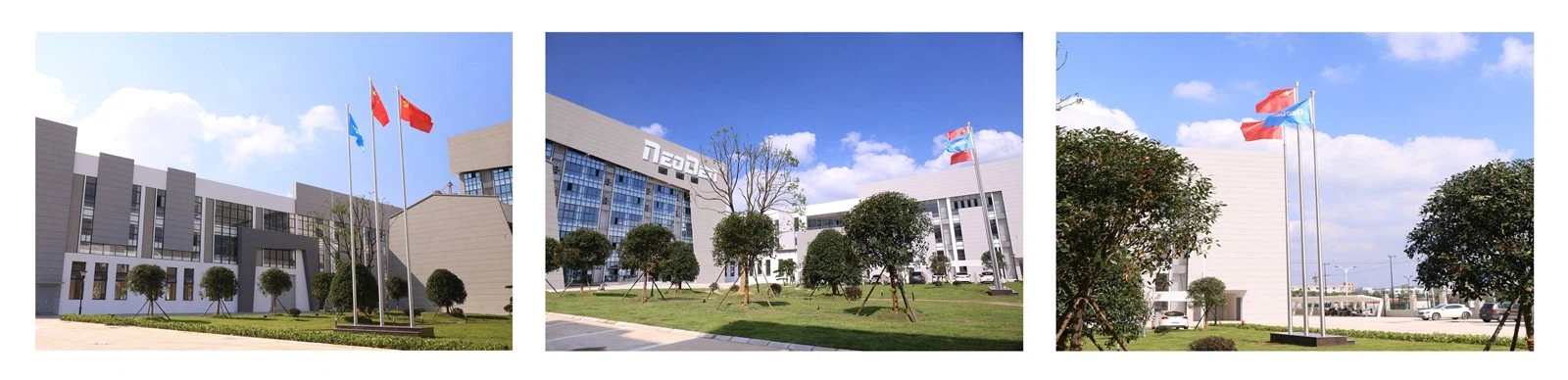
Zhejiang NeoDen Technology Co., Ltd. has been manufacturing and exporting various small pick and place machines since 2010. Taking advantage of our own rich experienced R&D, well trained production, NeoDen wins great reputation from the world wide customers.
with global presence in over 130 countries, the excellent performance, high accuracy and reliability of NeoDen PNP machines make them perfect for R&D, professional prototyping and small to medium batch production. We provide professional solution of one stop SMT equipment.