
Lead-Free Soldering and Lead-Based Soldering are two common soldering methods that present a trade-off between environmental friendliness and performance. The following is a comparison of these two methods and their environmental and performance advantages and disadvantages:
1. lead-free soldering
Environmental advantages:
Hazardous substance reduction: lead-free soldering does not use leaded solder, thus reducing the use of hazardous lead and helping to mitigate adverse environmental impacts.
Compliance with regulations: Lead-free soldering meets the environmental regulations of many countries and regions, such as the EU's RoHS Directive (Restriction of Hazardous Substances Directive).
Performance trade-offs:
Soldering Temperatures: Lead-free soldering typically requires higher soldering temperatures than lead soldering, which can cause damage to some heat-sensitive components.
Mechanical Strength: Lead-free solder may have slightly lower mechanical strength than leaded solder, so assembled PCBs may need to be handled more carefully.
2. Leaded solder
Performance advantages:
Low soldering temperature: Leaded solder usually requires a lower soldering temperature, which has less impact on heat-sensitive components.
Good Mechanical Strength: Leaded solder has better mechanical strength, which may be more favourable for some applications (such as aerospace and military).
Environmental trade-offs:
Hazardous substances: The solder used in lead soldering contains hazardous lead, which can be potentially harmful to the environment and human health.
Regulatory Restrictions: Many countries and regions have implemented restrictions on products containing lead and do not allow them to be marketed.
When choosing between lead-free and leaded soldering, you need to weigh environmental and performance factors based on your specific application and requirements.
Here are some considerations:
Application area: If your product is used in markets with stringent environmental requirements (e.g. consumer electronics), lead-free soldering may be more appropriate. In some high-temperature, high-reliability areas (such as military and aerospace), lead soldering may be more common.
Component type: Consider the type of component you are using and its tolerance. Some components may be sensitive to high temperatures and require lower soldering temperatures.
Regulatory Requirements: Understand the environmental regulations in your area and make sure your product meets them.
Performance requirements: Consider your product's performance needs, including mechanical strength, heat resistance and life expectancy.
Lead-free soldering has become a mainstay of electronics manufacturing, but lead soldering may still be the logical choice in certain situations. Whichever method you choose, it needs to be carefully evaluated for your specific needs and to ensure compliance with applicable regulations and standards.

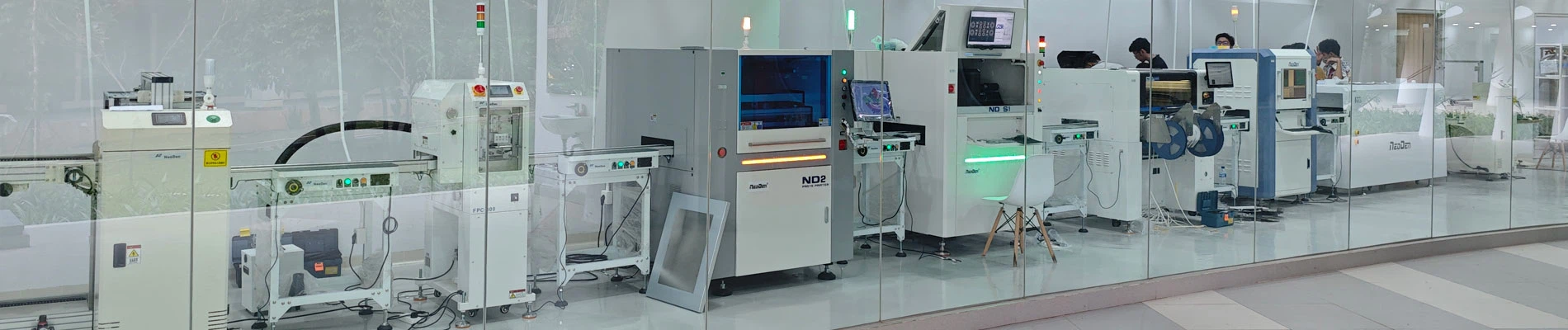
Zhejiang NeoDen Technology Co., Ltd. has been manufacturing and exporting various small pick and place machines since 2010. Taking advantage of our own rich experienced R&D, well trained production, NeoDen wins great reputation from the world wide customers.
with global presence in over 130 countries, the excellent performance, high accuracy and reliability of NeoDen PNP machines make them perfect for R&D, professional prototyping and small to medium batch production. We provide professional solution of one stop SMT equipment.
We believe that great people and partners make NeoDen a great company and that our commitment to Innovation, Diversity and Sustainability ensures that SMT automation is accessible to every hobbyist everywhere.