
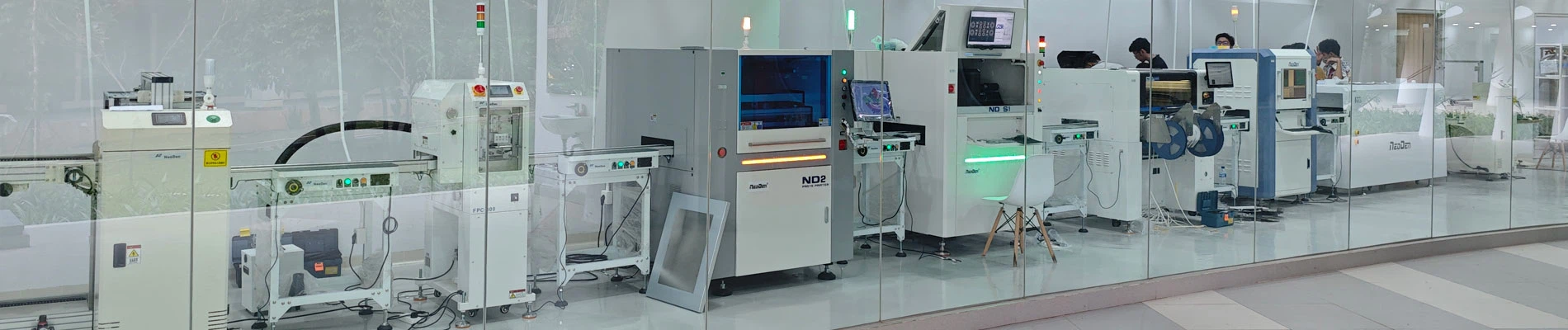
Precision dispensing and encapsulation technologies are critical steps in the PCBA manufacturing process that ensure electronic components are properly mounted and protected to ensure board reliability and performance. Below is some important information about precision dispensing and encapsulation technologies:
I. Precision Dispensing Technology
1. Glue Selection
Selection of the proper glue is critical in the dispensing process. Glue selection should consider factors such as type of bonding material, temperature range, viscosity, hardness and chemical properties. Common types of glue include epoxy resin, silicone and polyurethane.
2. Dispensing equipment
The use of specialized dispensing equipment, such as dispensers or coaters, ensures that the glue can be precisely applied to the board. These devices are usually equipped with control systems to ensure precision and consistency in dispensing.
3. Accurate Glue Flow Control
Accurate dispensing can be achieved by controlling the flow and speed of the glue. This usually requires adjusting the parameters of the dispensing equipment to suit the needs of different components and boards.
4. Dispensing location and shape
The location and shape of the dispense is determined by the layout of the components on the board. Some components may require dispensing to provide additional mechanical support, while others may require protection from vibration or moisture ingress.
5. Quality Control and Inspection
Implement quality control steps, including visual inspection and measurement, to ensure accuracy and consistency of dispensing. Poor dispensing may lead to board failure.
II. Encapsulation Technology
1. Encapsulation Materials
Select appropriate encapsulation materials to protect electronic components from the external environment. Common encapsulation materials include plastics, metals, ceramics, etc. 2.
2. Encapsulation process
encapsulation process includes assembling and sealing the electronic components. This can be accomplished by surface mount technology (SMT) or plug-in mount technology (THT), depending on the type and design of the component.
3. Temperature control
During the encapsulation process, it is important to control the temperature to ensure that the encapsulated material cures properly and does not cause thermal damage to the electronic components. Oven or reflow oven soldering is usually used to control the temperature.
4. Soldering Techniques
Soldering is a critical step in the encapsulation process that ensures an electrical connection between the electronic component and the circuit board. Common soldering techniques include surface mount soldering (SMT) and wave soldering machine soldering.
5. Quality Control
After packaging is performed, quality control tests are performed to ensure the correctness of the components, good electrical connections and reliability of the package. This includes the use of methods such as X-ray inspection and functional testing.
In summary, precision dispensing and encapsulation technologies are critical steps in the PCBA manufacturing process, and they directly affect the performance, reliability and lifetime of the board. Proper selection of materials, equipment and processes, as well as strict quality control, will help ensure the quality and reliability of the final product.

Zhejiang NeoDen Technology Co., LTD., founded in 2010, is a professional manufacturer specialized in SMT pick and place machine, reflow oven, stencil printing machine, SMT production line and other SMT Products. We have our own R & D team and own factory, taking advantage of our own rich experienced R&D, well trained production, won great reputation from the world wide customers.
We believe that great people and partners make NeoDen a great company and that our commitment to Innovation, Diversity and Sustainability ensures that SMT automation is accessible to every hobbyist on everywhere.