
Introduction
In the fiercely competitive electronics manufacturing industry, the quality of PCBA processing is pivotal to a product's success or failure. As the final line of defense in quality control, the compliance and efficiency of PCBA testing processes are critical. A well-designed testing process not only ensures product functionality meets design specifications but also enhances production efficiency, reduces rework rates, and ultimately boosts a company's market competitiveness.
I. PCBA Testing: The Cornerstone of Compliance
PCBA testing compliance manifests primarily in the following aspects:
- Compliance with testing standards. This encompasses, but is not limited to, industry standards (such as IPC-A-610 Acceptability Standards for Electronic Assemblies) and specific customer requirements. A compliant testing process must strictly adhere to these standards, ensuring every testing step is well-founded and providing a solid guarantee for the final product's quality. For instance, during Functional Component Test (FCT), test parameters and pass/fail criteria must strictly align with product specifications to ensure test result accuracy and traceability.
- Equipment Calibration Compliance. All instruments used for PCBA testing-such as multimeters, oscilloscopes, and ICT testers-must undergo regular calibration with complete calibration records maintained. This is not only a fundamental requirement of quality management systems like ISO 9001 but also a prerequisite for ensuring test data reliability. Uncalibrated equipment may cause test result deviations, potentially allowing non-conforming products to enter the market and incurring significant losses.
II. Key Strategies for Enhancing PCBA Test Process Efficiency
Building upon compliance, improving test process efficiency is crucial for reducing costs and shortening lead times. Key strategies include:
1. Optimizing and Automating Test Strategies
Traditional methods like manual visual inspection and hand-held testing are inefficient and error-prone. Modern PCBA manufacturing should increasingly adopt automated testing. For instance, ICT (In-Circuit Testing) rapidly detects shorts, opens, and component soldering defects on boards. FCT (Functional Testing) uses automated fixtures and programs to simulate real-world operating conditions, swiftly verifying product functionality. For high-volume production, automated testing significantly accelerates testing speed while reducing human error and ensuring consistency.
2. Establishing a Comprehensive Data Traceability System
An efficient testing process requires robust data support. Detailed data should be recorded at every testing stage, including test time, tester, results, and disposition of non-conforming items. This data must be linked to the product's unique serial number (e.g., barcode or QR code) to form a complete traceability chain. When quality issues arise, data can swiftly trace back to specific production batches and testing stages, enabling rapid root cause identification and targeted improvements.
3. Continuous Improvement and Feedback Mechanisms
Testing processes are not static; they require ongoing refinement alongside changes in production techniques and product design. PCBA manufacturers should establish a closed-loop quality feedback mechanism. Issues identified by the testing department-such as recurring defects-should be promptly communicated to upstream departments like SMT machine placement or wave soldering machine. Analyzing test data helps pinpoint weak points in the process flow for targeted optimization. This culture of continuous improvement is fundamental to enhancing overall production efficiency and product quality.
Conclusion
In the PCBA manufacturing sector, compliance and efficiency in testing processes are mutually reinforcing. Compliance forms the foundation, ensuring a company's market standing, while efficiency serves as the safeguard, enabling businesses to stand out in fierce competition. By optimizing testing strategies, introducing automated equipment, establishing data traceability systems, and fostering a culture of continuous improvement, companies can build testing processes that are both compliant and highly efficient. This enables them to deliver high-quality, reliable electronic products to customers, ultimately winning market favor.
Quick facts about NeoDen
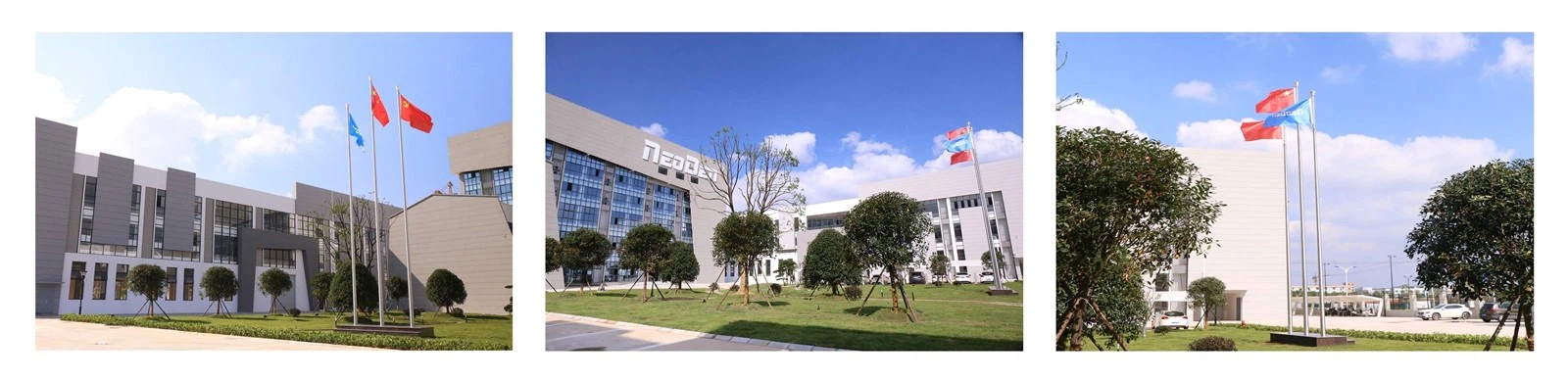
1) Established in 2010, 200 + employees, 27000+ Sq.m. factory.
2) NeoDen Products:Different Series PnP machines, NeoDen YY1, NeoDen4, NeoDen5, NeoDen K1830, NeoDen9, NeoDen N10P. Reflow Oven IN Series, as well as complete SMT Line includes all necessary SMT equipment.
3) Successful 10000+ customers across the globe.
4) 40+ Global Agents covered in Asia, Europe, America, Oceania and Africa.
5) R&D Center: 3 R&D departments with 25+ professional R&D engineers.
6) Listed with CE and got 70+ patents.
7) 30+ quality control and technical support engineers, 15+ senior international sales, for timely customer responding within 8 hours, and professional solutions providing within 24 hours.