

Introduction
PCBA (Printed Circuit Board Assembly) manufacturing is one of the key stages in the production of electronic products, encompassing the entire process from design to assembly. This article provides a detailed analysis of the PCBA manufacturing process, covering the entire workflow from design, procurement, production, and testing to assembly.

Design Phase
The design phase is the first step in the PCBA manufacturing process and primarily consists of two parts: circuit design and PCB design.
- Circuit Design: Engineers design circuit diagrams based on product requirements and functionality, determining components, circuit connections, and functional modules.
- PCB Design: Based on the circuit design diagram, engineers perform PCB layout design and trace routing to determine component placement and connection methods.
Component Procurement
Component procurement is a critical step in the PCBA manufacturing process, requiring the sourcing of necessary components-including chips, resistors, capacitors, and connectors-from reliable suppliers.
- Supplier Selection: Select component suppliers with a good reputation and stable supply capabilities.
- Component Procurement: Procure components based on design requirements and the Bill of Materials (BOM), ensuring that component quality and specifications meet requirements.
Manufacturing
The manufacturing stage is the core of the PCBA manufacturing process and primarily includes steps such as PCB fabrication, component placement, soldering, and testing.
- PCB Fabrication: Send the designed PCB layout to a PCB manufacturer for fabrication, which involves processes such as printing, chemical etching, and drilling.
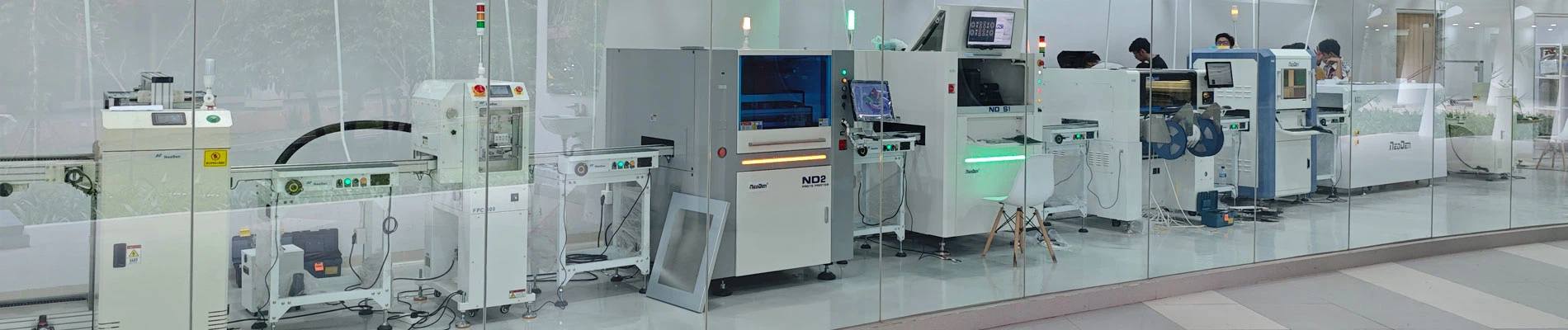
- Component Placement: Use automated pick and place machines to precisely mount components onto the PCB, including SMT (Surface Mount Technology) and THT (Through-Hole Technology).
- Soldering: Solder components using processes such as wave soldering machine or hot-air reflow soldering to ensure soldering quality and connection reliability.
- Inspection: Functional testing, electrical testing, and visual inspection are performed on the soldered PCBA to ensure product quality meets standards.
Assembly and Packaging
The assembly and packaging stage is the final step in the PCBA manufacturing process, where PCBA units that have passed inspection are assembled into finished products and packaged.
- Mechanical Assembly: The PCBA is assembled into the product housing or mechanical structure, involving processes such as mounting, connecting, and assembly.
- Functional Testing: Conduct functional testing and performance evaluations on the assembled finished products to ensure their functionality and performance meet requirements.
- Packaging: Package the finished products, including both inner and outer packaging, to protect them from damage and contamination.
Quality Control and Traceability
Throughout the entire PCBA manufacturing process, quality control is a critical component. Strict quality control and monitoring must be implemented at every stage, and a comprehensive quality traceability system must be established.
- Quality Control: Quality is controlled and monitored throughout the production process to ensure that every stage meets the required standards.
- Quality Traceability: A comprehensive quality traceability system is established to track each PCBA product, facilitating problem troubleshooting and quality improvement.
Conclusion
The PCBA manufacturing process covers the entire journey from design to assembly. It requires close coordination and strict control at every stage to ensure product quality and stability. With the continuous advancement of electronic technology and the ongoing refinement of manufacturing processes, the PCBA manufacturing process is expected to become even more efficient, precise, and reliable in the future, providing better support for the development and application of electronic products.

Quick facts about NeoDen
- Established in 2010 with 200+ employees & 27,000+ Sq.m. factory of independent property rights, to ensure the standard management and achieve the most economic effects as well as saving the cost.
- Owned the own machining center, skilled assembler, tester and QC engineers, to ensure the strong abilities for NeoDen machines manufacturing, quality and delivery.
- 40+ global partners covered in Asia, Europe, America, Oceania and Africa, to successfully serve 10000+ users in all of the world, to ensure the better and faster local service and prompt response.
- 3 different R&D teams with total 25+ professional R&D engineers, to ensure the better and more advanced developments and new innovation.
- Skilled and professional english support&service engineers, to ensure the prompt response within 8 hours, solution provides within 24 hours.
- The unique one among all of the Chinese manufacturers who registered and approved CE by TUV NORD.
- NeoDen supplies life-long technical support and service for all of the NeoDen machines, moreover, regular software updates based on the using experiences and actual daily request from the endusers.