
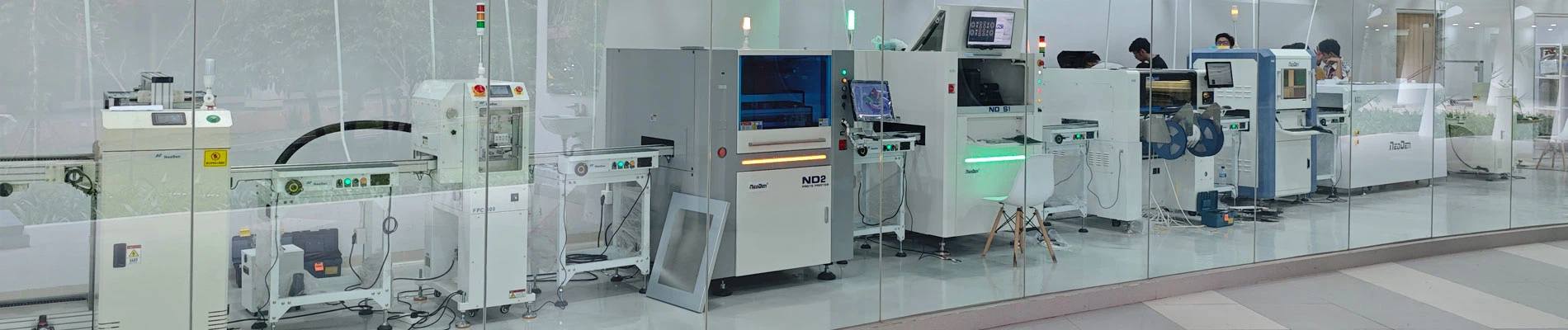
In the PCBA processing process, the whole process quality inspection program can cover every link from design to finished product, through systematic testing means, to ensure that each link meets the quality standards, so as to improve the overall quality of the product.
1. Quality inspection at the design stage
The main goal of the design phase is to prevent potential design defects, thereby reducing quality problems in subsequent production.
Design Review: Strict design review is conducted during the design phase, including circuit design, layout planning and component selection. Through multiple rounds of review, we ensure that the design meets functional requirements and manufacturing specifications, reducing the risk of design defects.
Design verification: Use simulation tools to verify the design and simulate the performance of the circuit in actual operation. Through simulation testing, potential problems in the design can be found in advance and adjusted and optimized.
2. Quality testing of material procurement
Quality testing at the material procurement stage aims to ensure that all incoming materials meet specifications, thus providing a reliable basis for subsequent production.
Supplier management: Select suppliers with good reputation and conduct regular evaluation and audit on them. Strict supplier selection criteria are established to ensure that purchased materials meet quality requirements.
Incoming Material Inspection: Strict inspection of all incoming materials, including component specifications, performance and appearance. Use professional testing equipment to test the materials to ensure that they meet the production requirements.
3. Quality inspection during the production process
The implementation of the whole quality inspection includes from the initial production line to the final product testing, each link needs to be strictly controlled.
Process control: Use real-time monitoring systems to control key process parameters such as temperature, humidity and pressure during the production process. The production line is monitored through automated testing equipment to detect and correct production abnormalities in a timely manner.
Intermediate Inspection: Set up inspection points at various intermediate stages of production, such as soldering quality, component placement and line connectivity. Intermediate inspection can detect problems early and make adjustments to prevent defective products from flowing into the next stage.
4. Finished product inspection
The main purpose of finished product inspection is to ensure that the final product meets all quality standards and satisfies customer needs.
Functional testing: Conduct comprehensive functional testing of finished products, including electrical performance testing, signal integrity testing and durability testing. Ensure that each finished product works properly and meets the design requirements.
Appearance Inspection: Appearance inspection of finished products, including solder joint inspection, component arrangement and marking integrity, etc.. Through appearance inspection, ensure that the products are free of defects in appearance and comply with production specifications.
Aging test: Aging test is conducted on the finished product to check the stability and reliability of the product after a long period of operation by simulating the environment of long-term use. This helps to identify potential long-term failures and performance degradation problems.
5. Defective product handling and feedback
Defective product handling and feedback mechanism can help factories continuously improve the production process and quality management system.
Defective product records and analysis: the discovery of defective products for detailed records and analysis, to find out the root cause of defective products. This helps to identify potential problems in production and develop corresponding improvement measures.
Feedback and Improvement: The analysis results of defective products are fed back to the relevant departments for the adjustment and optimization of the production process. Through continuous improvement of the quality management system, reduce the generation of defective products and improve production quality.
6. Establishment and maintenance of quality management system
Quality management system should include quality policy, objectives, procedures and responsibility allocation, and regular review and update.
Quality policy: Establish a clear quality policy to ensure that all employees understand and follow the objectives and requirements of quality management.
Training and Awareness Enhancement: Regular quality management training is provided to employees to enhance their quality awareness and operational skills to ensure that every aspect of the quality inspection work can be carried out smoothly.
Internal Audit: Conduct regular internal quality audits to assess the effectiveness of the quality management system and improve and optimize it based on the audit results.

Quick facts about NeoDen
1. Established in 2010, 200+ employees, 8000+ Sq.m. factory.
2. NeoDen products: Smart series PNP machine, NeoDen K1830, NeoDen4, NeoDen3V, NeoDen7, NeoDen6, TM220A, TM240A, TM245P, reflow oven IN6, IN12, Solder paste printer FP2636, PM3040.
3. Successful 10000+ customers across the globe.
4. 30+ Global Agents covered in Asia, Europe, America, Oceania and Africa.
5. R&D Center: 3 R&D departments with 25+ professional R&D engineers.
6. Listed with CE and got 50+ patents.
7. 30+ quality control and technical support engineers, 15+ senior international sales, timely customer responding within 8 hours, professional solutions providing within 24 hours.