
LED dot matrix display is a kind of display with LED as a pixel, which is composed of high brightness LED core array, epoxy resin, and plastic mold. With the characteristics of simple production and convenient installation, it is widely used in all kinds of public occasions, such as auto station announcer, advertising screen and bulletin board.

The classification of the LED dot matrix display
There are two kinds of LED dot matrix display: monochrome and bicolor, which can display red, yellow, green, orange, etc. LED lattice has 4*4, 4*8, 5*7, 5*8 8*8, 16*16, 24*24, 40*40 and so on; according to the number of pixels, it can be divided into two basic colors, three basic colors and so on. According to the different colors of pixels, the colors of the text, image and other contents are also different. The single basic color dot matrix can only display fixed colors such as red, green, yellow and so on. The colors of the two basic colors and the three basic color dot matrix display contents are lighted by a different color LED in the pixel The combination mode is determined, for example, when red and green are all on, yellow can be displayed; if the lighting time of diode is controlled according to the pulse mode, 256 or higher gray level display can be realized, and true color display can be realized.
When the LED dot matrix display is used in a single block, it can not only replace the digital tube to display numbers but also display various Chinese and Western characters and symbols. For example, a 5 x 7 dot matrix display is used to display Western letters. The 5*8 dot matrix display is used to display Chinese and Western languages, and the 8*8 dot matrix display is used to display Chinese characters and graphics. A large-screen display can be made up of a combination of multiple dot matrix displays, but such a practical device is often driven by a microcomputer or a single-chip microcomputer.
Driving scheme of LED dot matrix display
It can be seen from the internal structure of the LED dot matrix display that the device should be driven by dynamic scanning. Because most of the LED cores are of high brightness type, the driving current of a single LED in a row or column can be a narrow pulse, but the average current should be limited within 20mA. In most lattice displays, the forward voltage drop of the single LED is about 2V. However, the forward voltage drop of a single LED in lattice display with large bright spot ∮10 is about 6V.
A large screen display system is generally composed of small modules composed of multiple LED lattice in the way of building blocks. Each small module has its own independent control system. After the combination, only one master controller is introduced to control the commands and data of each module. This method is simple and easy to develop and maintain.
The display mode of LED dot matrix display
There are static and dynamic display modes for each module in the LED lattice display system. The principle of the static display is simple and the control is convenient, but the hardware wiring is complex. In practical application, dynamic display generally adopts dynamic display mode. Dynamic display works by scanning mode, driven by a narrow pulse with larger peak value. It continuously selects all lines of the display screen from top to bottom, at the same time, it sends out pulse signals representing graphic or text information to all columns and repeats the above operations To display various graphic or text messages.

Article and pictures from the internet, if any infringement pls firstly contact us to delete.
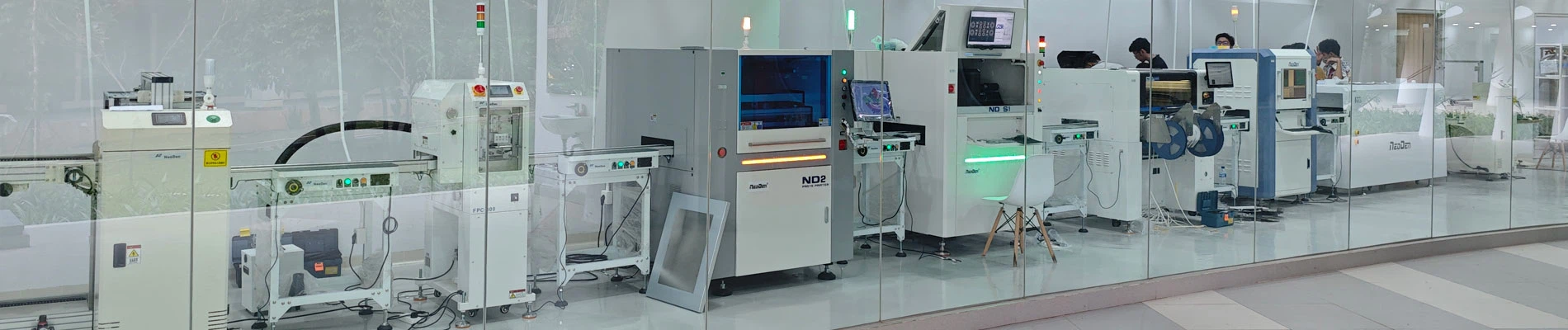
NeoDen provides a full SMT assembly line solutions, including SMT reflow oven, wave soldering machine, pick and place machine, solder paste printer, PCB loader, PCB unloader, chip mounter, SMT AOI machine, SMT SPI machine, SMT X-Ray machine, SMT assembly line equipment, PCB production Equipment SMT spare parts, etc any kind SMT machines you may need, please contact us for more information:
Hangzhou NeoDen Technology Co., Ltd
Web: www.neodentech.com
Email: info@neodentech.com