
Introduction
Functional testing of circuit boards is an essential step in the PCBA manufacturing process. However, for PCBA components that rely on precise frequency operation-such as RF circuits, oscillators, and clock circuits-a common and challenging issue is frequency drift. Frequency drift refers to the deviation of a circuit's output frequency from its design value during operation. This issue can lead to unstable device performance, degraded communication quality, or even complete failure. Addressing it requires a comprehensive approach considering the testing environment, equipment, and manufacturing processes.
I. Analysis of Frequency Drift Causes
Frequency drift stems not from a single factor but often from the combined effects of multiple environmental and physical elements.
- Temperature Variations: This is the primary cause of frequency drift. Component parameters, particularly those of crystal oscillators, capacitors, and inductors, change with temperature, thereby affecting the circuit's resonant frequency.
- Power Supply Fluctuations: Unstable voltage and current levels can shift the bias point of oscillation circuits, causing output frequency variations.
- Electromagnetic Interference (EMI): Electromagnetic noise from other electronic devices, power lines, or internal circuits may couple or radiate into sensitive frequency circuits, inducing instability.
- Component Aging: Even under stable conditions, the physical properties of components gradually change over time. This long-term effect causes slow frequency drift.
- Soldering Process: During PCBA manufacturing, improper soldering temperatures or durations may cause permanent damage to sensitive components like crystal oscillators, compromising their frequency stability.
II. Strategies and Solutions for Addressing Frequency Drift
To effectively detect and resolve frequency drift issues during PCBA testing, the following approaches should be implemented.
1. Strictly Control the Test Environment
- Temperature-Controlled Environment: Place test equipment and PCBA within a constant temperature and humidity test chamber. This eliminates the impact of temperature fluctuations, enabling more accurate assessment of the PCBA's inherent frequency stability.
- Shielding and Grounding: Employ RF shielded enclosures to isolate external electromagnetic interference. Simultaneously, ensure proper grounding of both test equipment and PCBA to minimize noise and spurious signal effects.
2. Precision Test Equipment and Methods
- High-Precision Frequency Meters: Utilize high-resolution, highly stable frequency counters or spectrum analyzers for measurements. These instruments capture minute frequency variations, enabling more precise evaluation of PCBA frequency stability.
- Long-Term Testing: Frequency drift is a dynamic process. Testing should involve continuous monitoring over extended periods rather than instantaneous measurements, recording frequency-over-time curves. This helps identify potential slow drift issues.
- Thermal Cycling Testing: Simulate real-world temperature variations experienced by the PCBA. Place the PCBA in a temperature chamber for multiple cycles, measuring frequency at different temperature points. This effectively exposes frequency drift caused by thermal stress.
3. Optimizing PCB Design and Manufacturing Processes
- Component Selection: Prioritize components with low temperature coefficients and high stability, particularly crystal oscillators. For instance, temperature-compensated crystal oscillators (TCXOs) or oven-controlled crystal oscillators (OCXOs) effectively resist temperature variations.
- Power Supply Design: Utilize low-noise, high-stability power supply ICs and incorporate additional filtering capacitors and inductors to ensure clean, stable power delivery to frequency circuits.
- Layout and Routing: During PCBA design, isolate frequency-sensitive circuits from digital and high-power circuits. Employ ground loops and shielded traces to minimize electromagnetic interference.
- Soldering Process Control: Strictly manage the reflow oven soldering temperature profile during PCBA manufacturing, especially peak temperature and dwell time, to prevent thermal damage to components like crystal oscillators.
Conclusion
Frequency drift is a complex yet manageable challenge in PCBA manufacturing and testing. By establishing rigorous testing environments, employing precision testing equipment and methodologies, and fundamentally optimizing design and manufacturing processes, this issue can be effectively addressed. This approach not only ensures outstanding performance at the time of shipment but also guarantees long-term stability and reliability, thereby enhancing the competitiveness of end products.
Quick facts about NeoDen
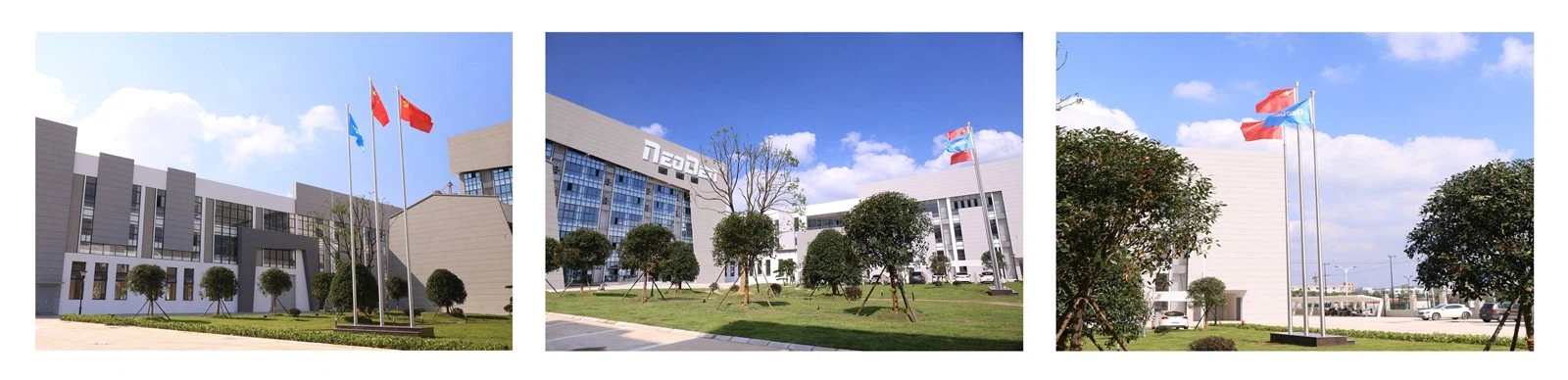
1) Established in 2010, 200 + employees, 27000+ Sq.m. factory.
2) NeoDen Products:Different Series PnP machines, NeoDen YY1, NeoDen4, NeoDen5, NeoDen K1830, NeoDen9, NeoDen N10P. Reflow Oven IN Series, as well as complete SMT Line includes all necessary SMT equipment.
3) Successful 10000+ customers across the globe.
4) 40+ Global Agents covered in Asia, Europe, America, Oceania and Africa.
5) R&D Center: 3 R&D departments with 25+ professional R&D engineers.
6) Listed with CE and got 70+ patents.
7) 30+ quality control and technical support engineers, 15+ senior international sales, for timely customer responding within 8 hours, and professional solutions providing within 24 hours.